About
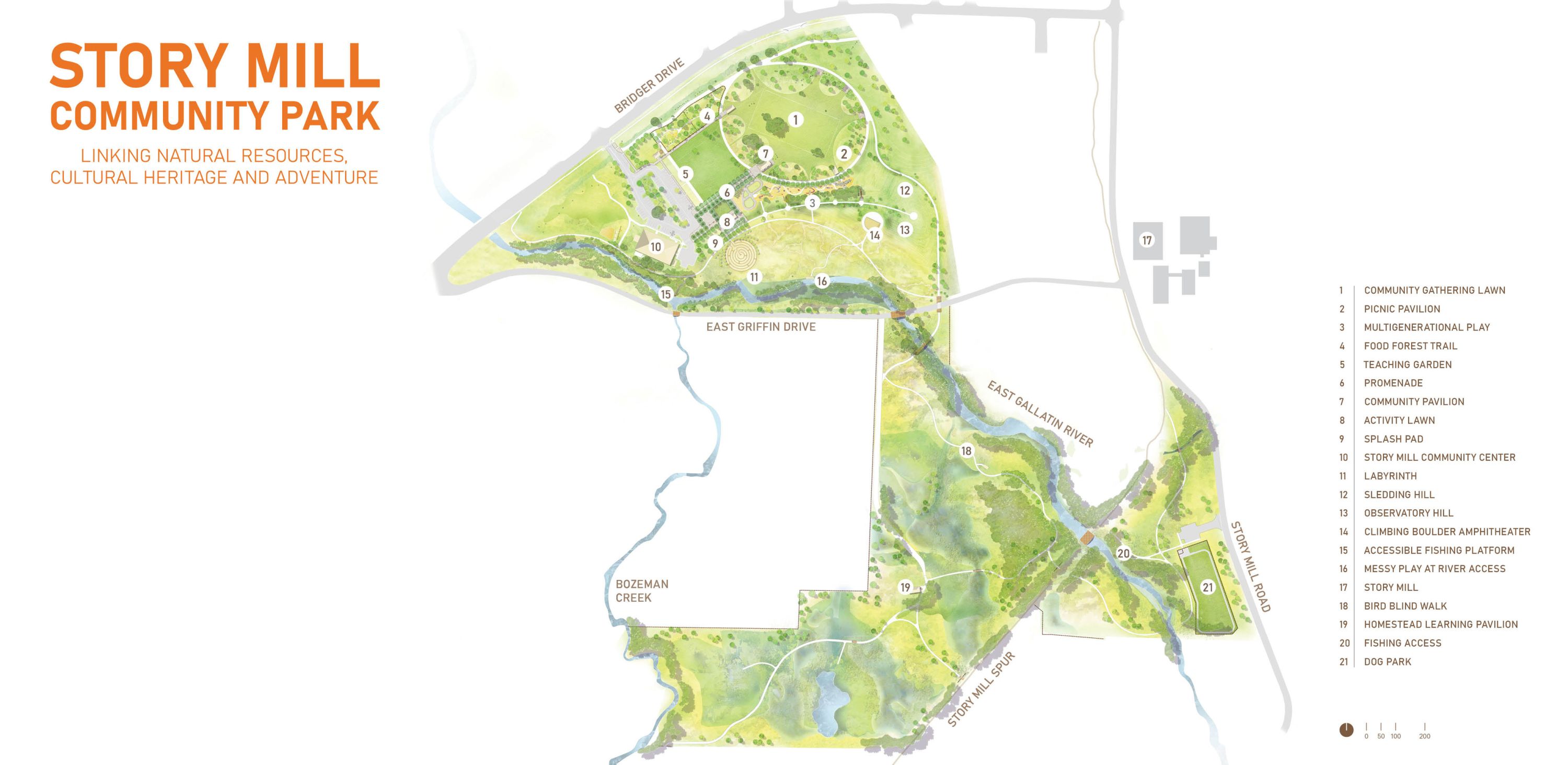
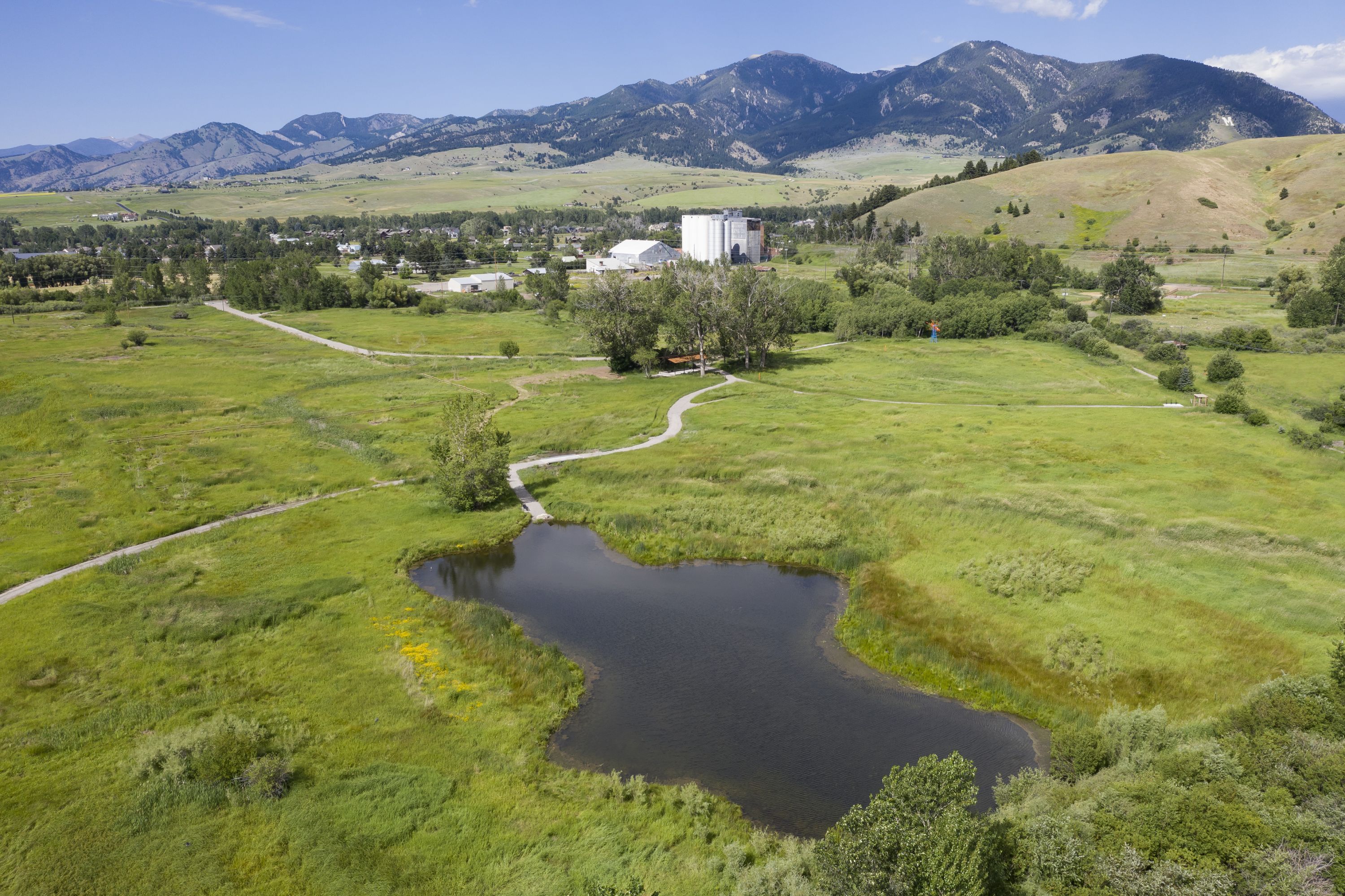
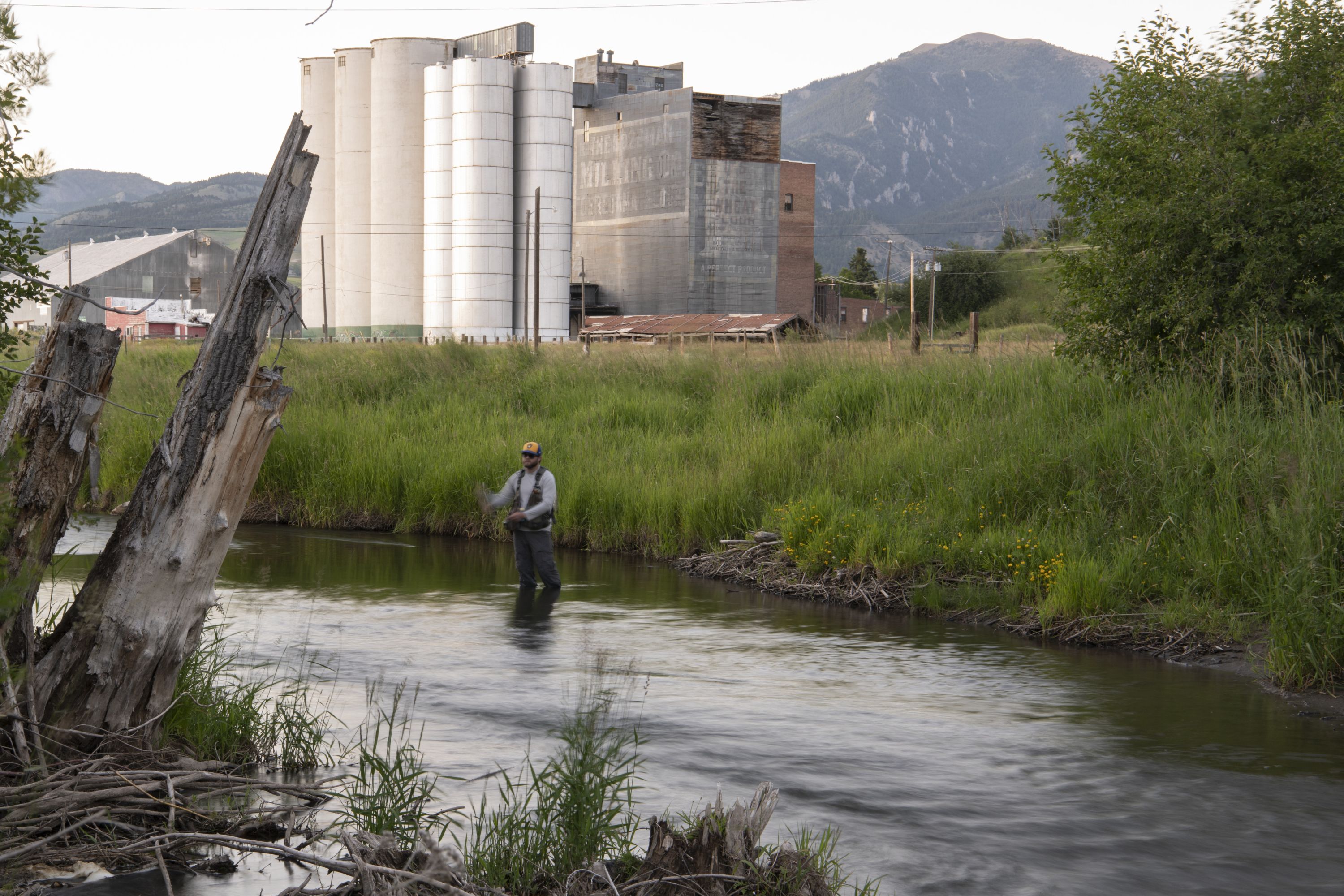
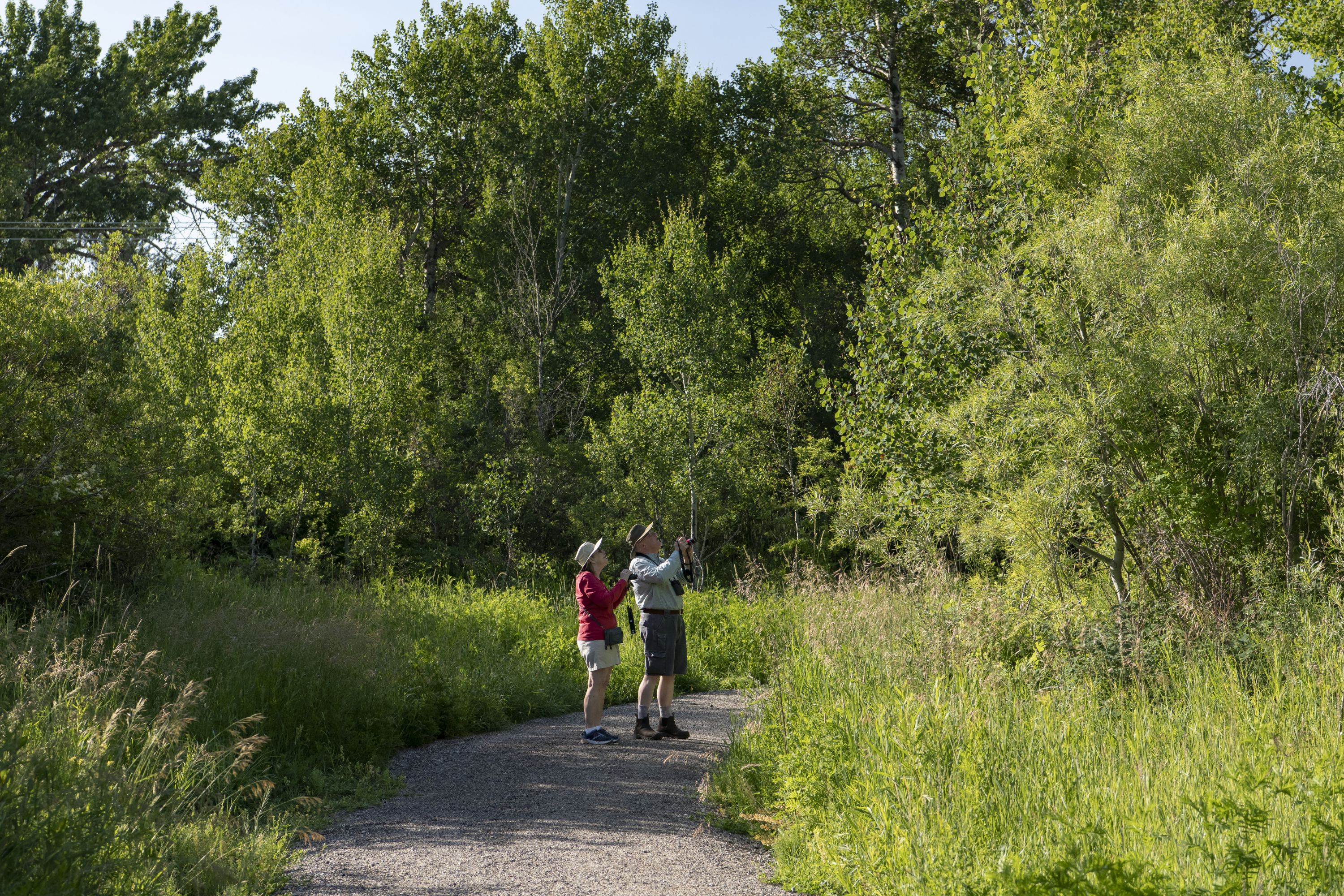
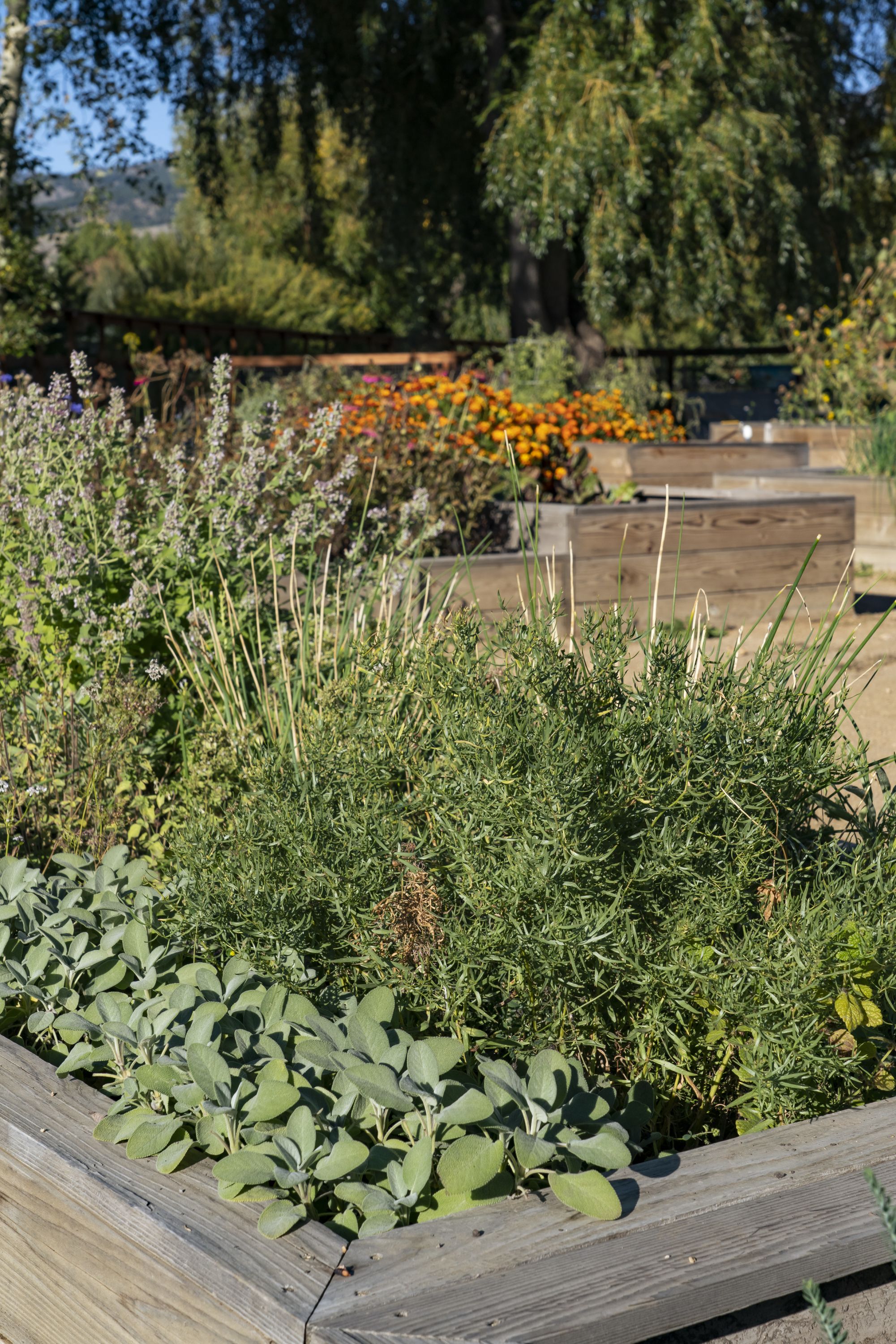
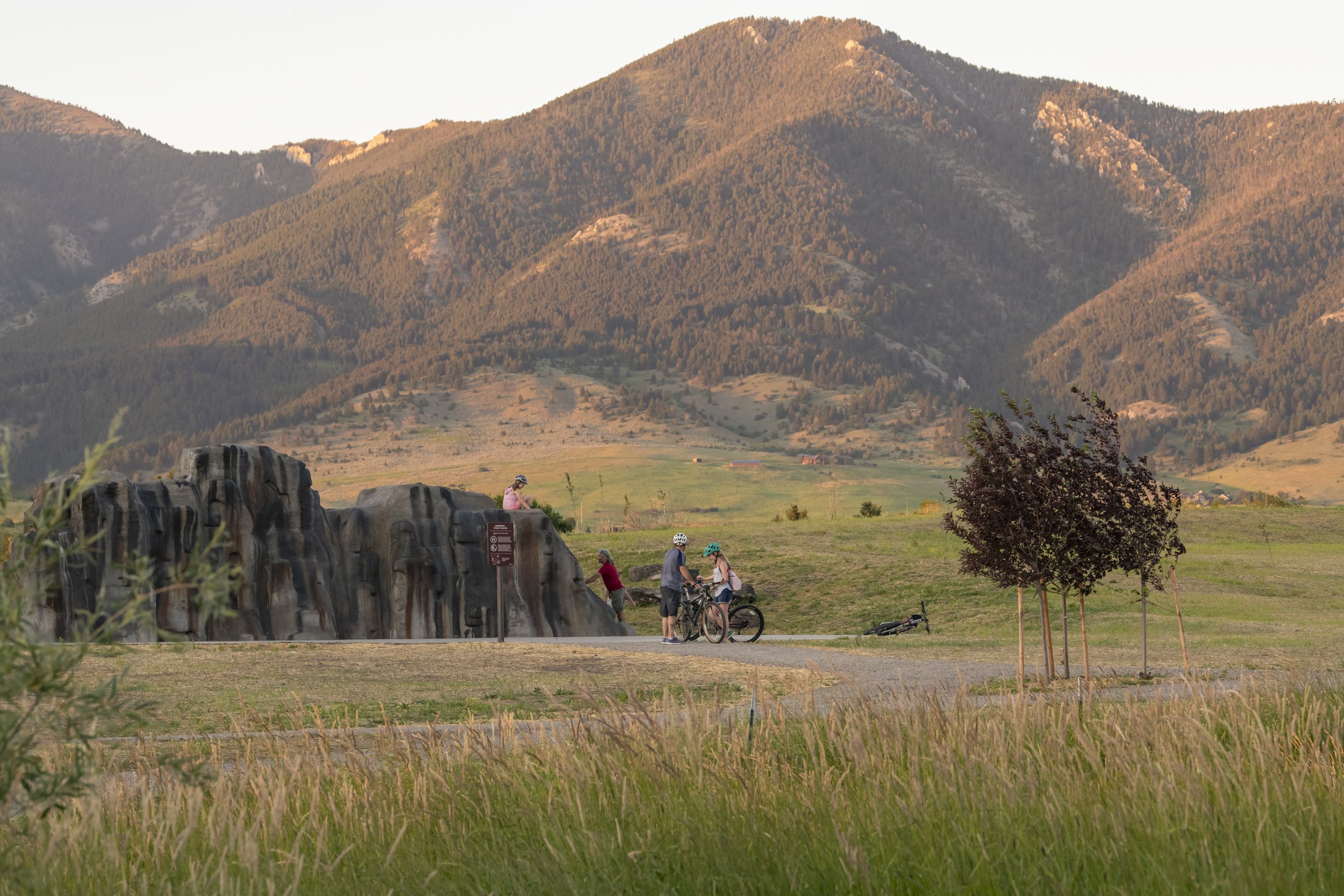
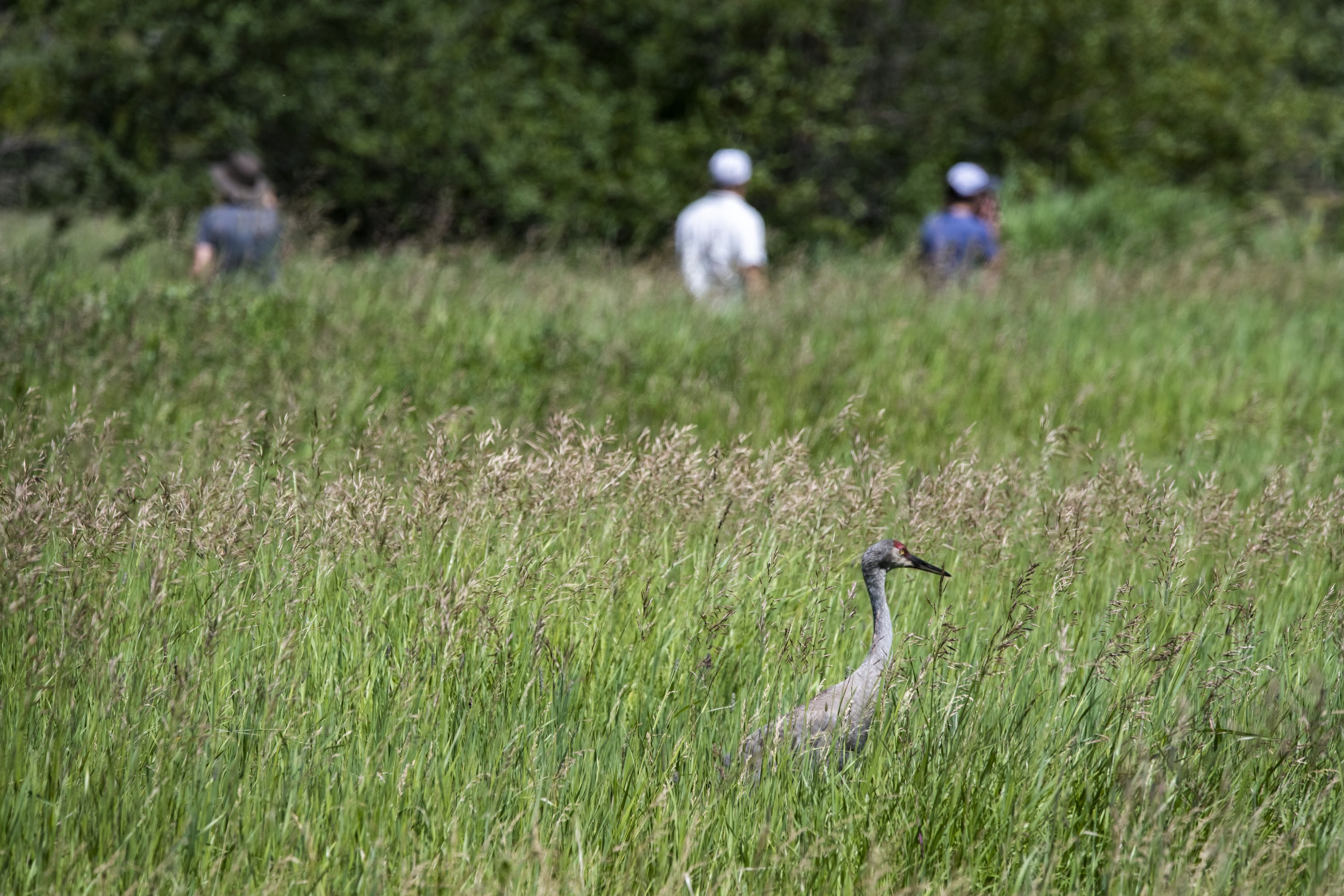
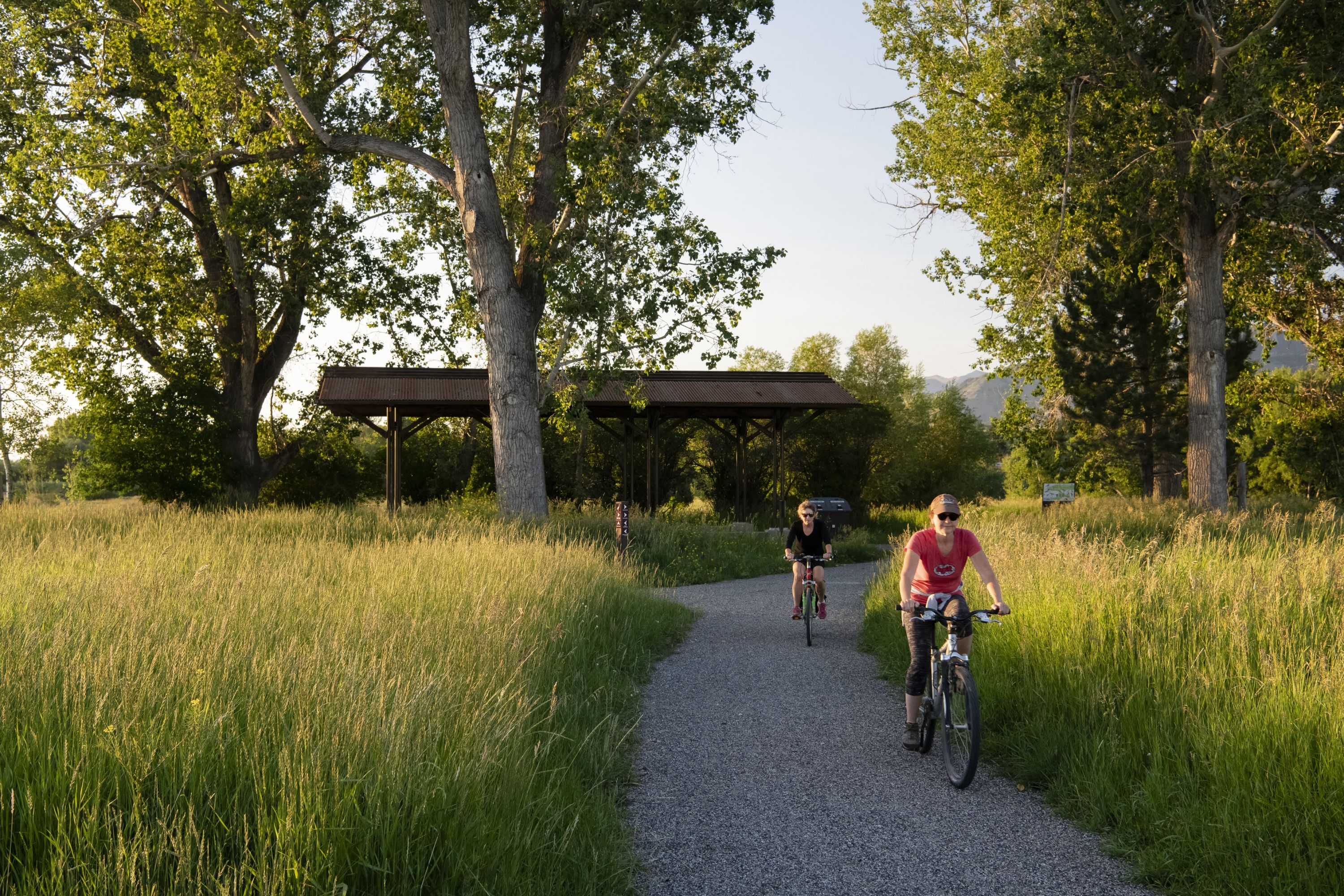
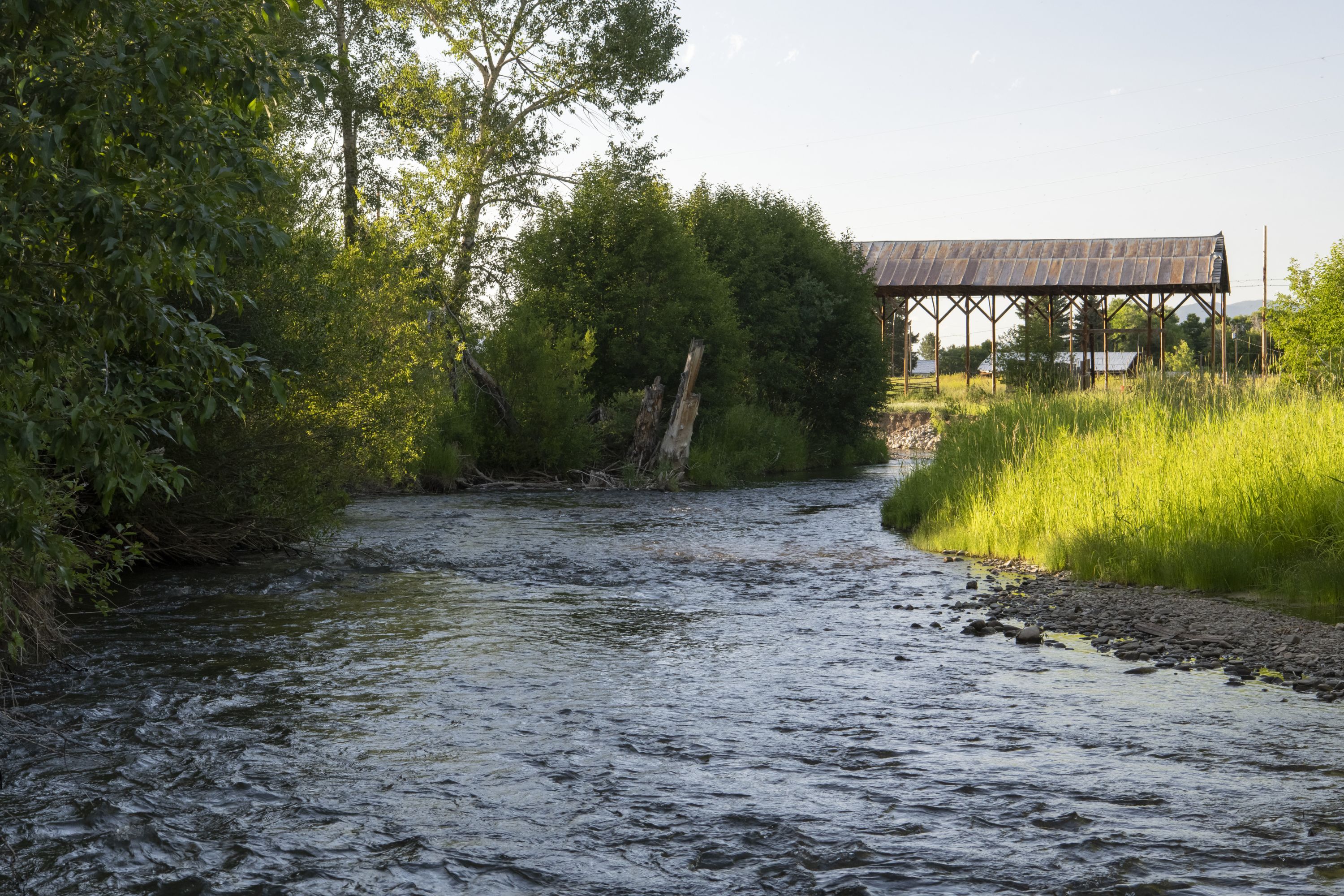
Located in Bozeman, Montana, Story Mill Community Park is the city’s largest park. Encompassing 60 acres, it includes 40 acres of nature preserve with restored wetlands, aspen groves, open meadows, and the East Gallatin River and Bozeman Creek, which run through the site. The remaining 20 acres offer educational and recreational opportunities to engage community members and accommodate gatherings. The park was designed with numerous connections to the urban core to ensure that residents of the growing city have ready access to nature. The Learning Farm and Food Forest offer educational programs and provide food to community members in need.
Project Details
Overview
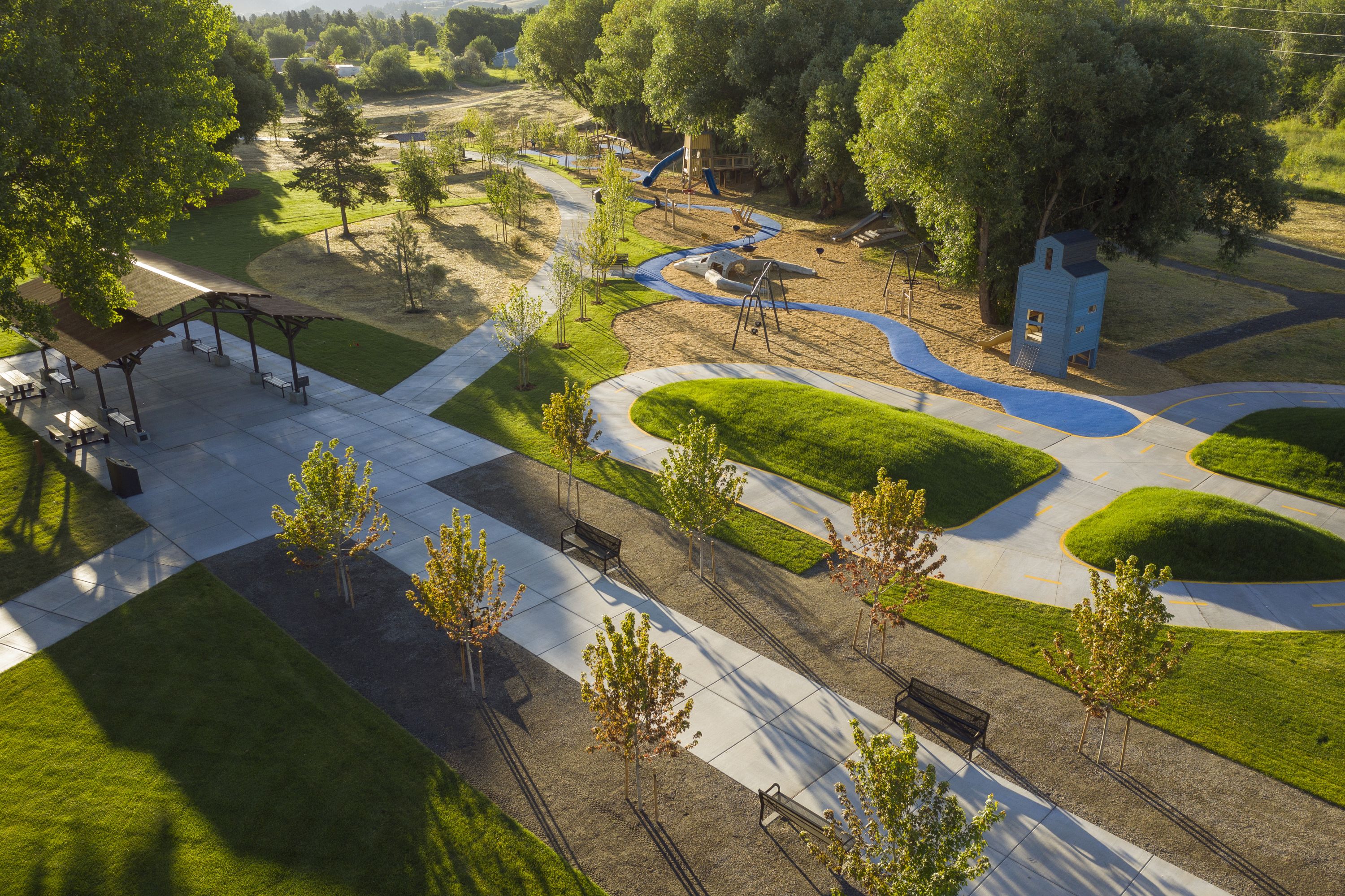
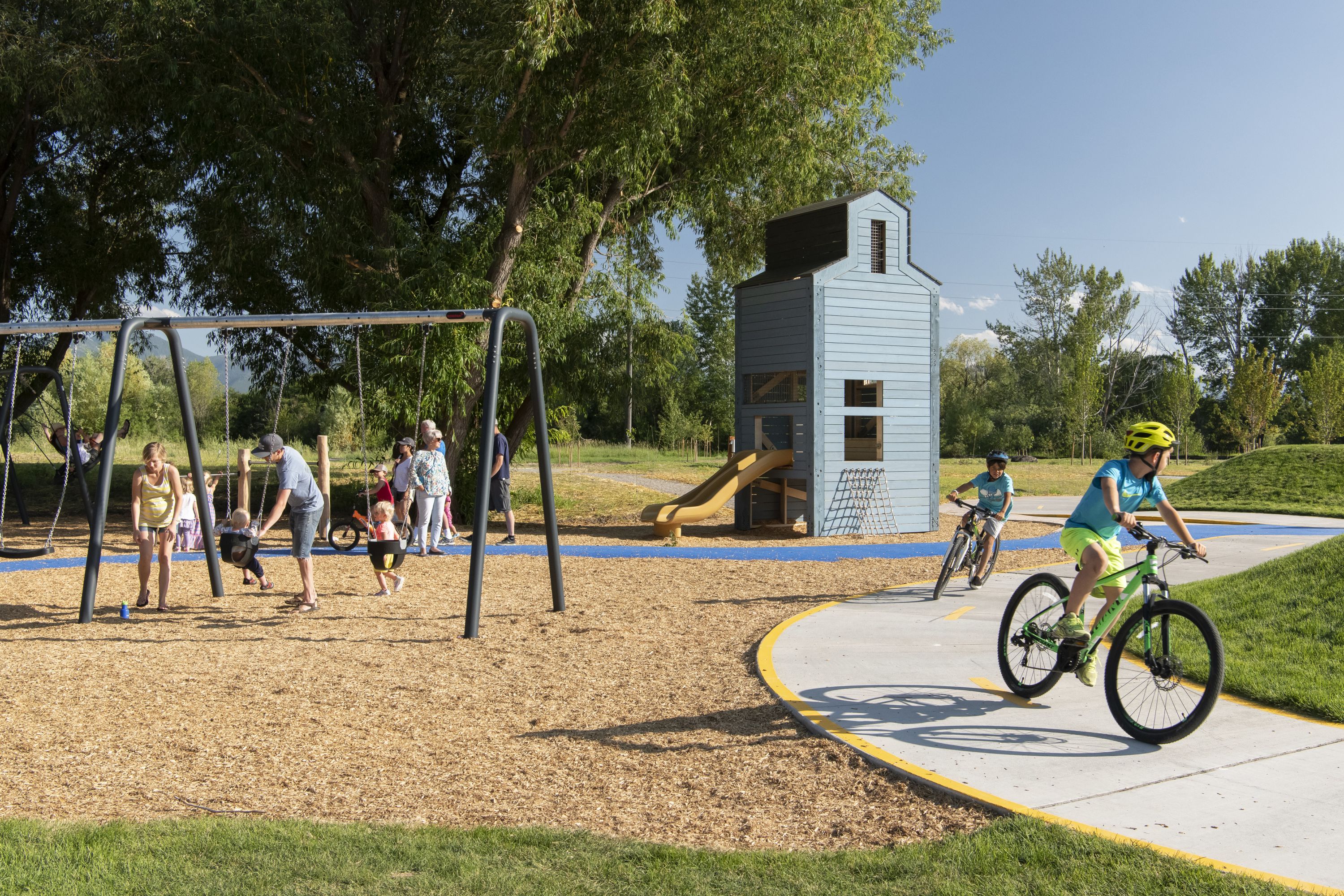
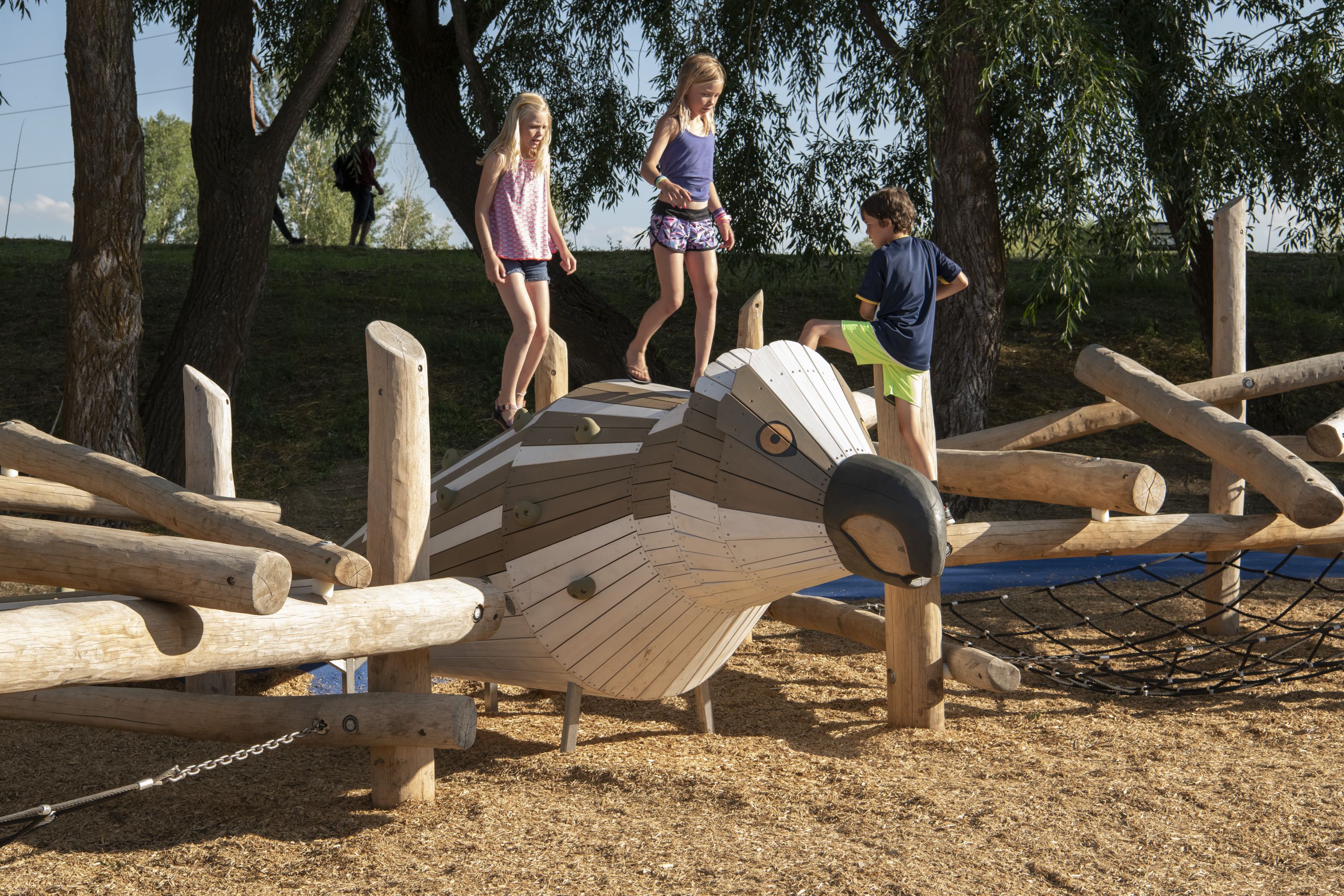
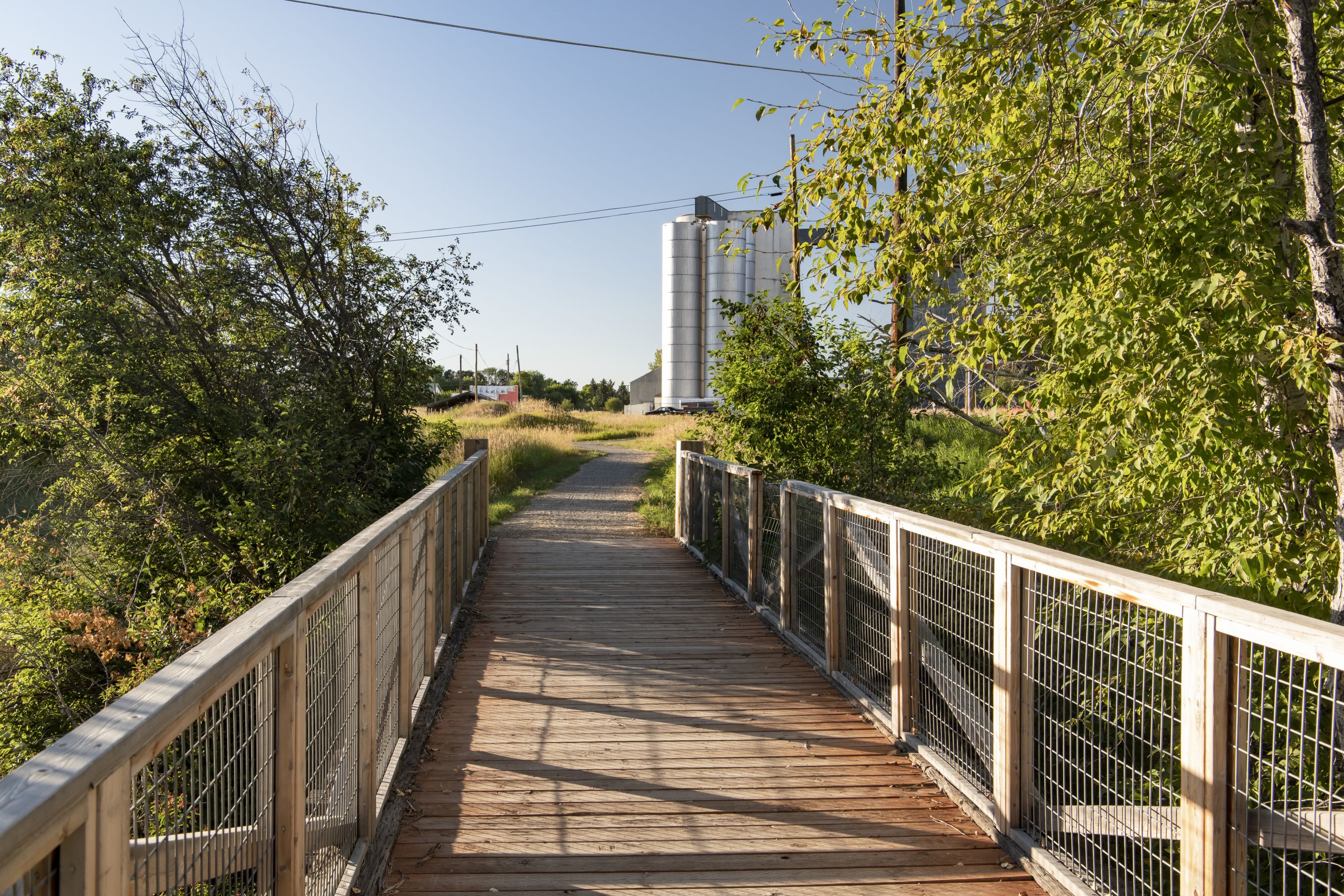
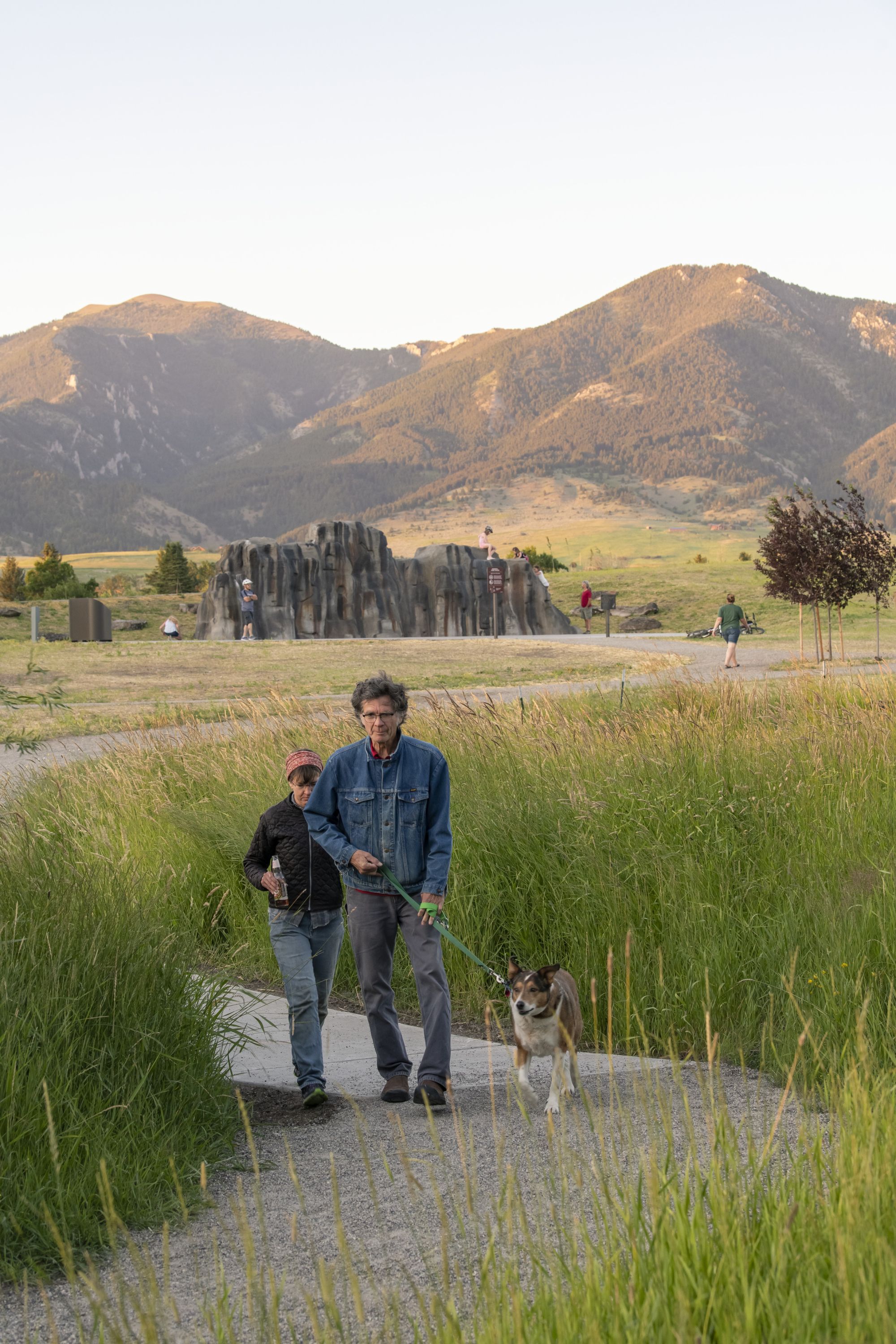
Situated at the heart of the city’s former agricultural center, Story Mill Community Park in Bozeman, Montana, sits at the feet of the Bridger Mountains. Winding throughout the park, the three miles of interconnecting trails provide visitors with space to exercise, explore, and observe wildlife. The trail system incorporates historic rail corridors and a farmstead and features locally made sculptures and interpretive signage. The trail also offers access to other city and regional trails. Play areas include slides, swings, paths and trails, seating nooks, and other features that offer recreational opportunities for people of all ages and abilities. The Learning Garden and Food Forest host outdoor education programs and provide fresh fruits and vegetables to community members. Four pavilions provide a place to rest and take shelter from the elements, and a custom climbing boulder was designed in collaboration with the local climbing community.
In 1882, Nelson Story built a water-powered mill and the largest grain elevator in the state, which required filling in the site’s wetlands. The mill closed in the 1950s and sat in disrepair for decades. Story Mill Community Park’s transformation included remediation to restore wetlands and riparian areas that enhanced habitat for fish, birds, and other wildlife. More than half of the park is located within the Northern Pacific-Story Mill Historical District and, although not within the park boundary, the historic Story Mill grain elevators can be seen from throughout the park and act as a cultural and wayfinding landmark.
Project Goals
- Build a flagship asset for Bozeman’s Parks, Recreation, and Trails system that is well-connected to the urban core to ensure nearby nature as Bozeman continues to grow.
- Utilize a community-engaged design process from planning through stewardship to establish a park with program and design detail informed by users and local organizations.
- Restore disturbed habitats, including wetlands, riparian areas, grasslands, shrublands, and aspen forest patches, to enhance habitat for fish, birds, and other wildlife.
- Improve the East Gallatin River corridor through wetland and stream restoration.
- Incorporate passive recreation and education for people to experience the valley’s rivers, natural habitats, and views of the surrounding mountains that characterize Bozeman’s ecological story.
- Develop active parkland for multi-generational use, including play areas, covered picnic areas, trails, restrooms, and other amenities.
- Support multi-modal transportation infrastructure and recreation with a trail network that will provide a central hub for U.S. Forest Service trail systems, fishing access sites, other city trails and parks, and downtown Bozeman.
- Celebrate and reveal the site’s agricultural and industrial heritage in the wheat and cattle industries that drove Bozeman’s growth in the 19th and 20th centuries and preserve remnant and healthy natural features.
Reprinted from the original LAF LPS case study.
Social Benefits
- Attracts an estimated 11,600 visitors per week in summer months, including over 260 that participate in new community center programming. The park’s pavilions received 396 rentals over a period of 1 year.
- Encourages active recreation and alternative modes of transportation, with 34% of 147 surveyed visitors reporting that the park has contributed to an increase in their household’s biking. Respondents who live within 2 miles report biking, walking, or running to get to the park 61% of the time.
- Provides unique educational and cultural value, with a high proportion of 145 surveyed visitors agreeing that hand-illustrated signage (67%), custom playground equipment (52%), and place-based sculptures (52%) have helped them understand the site’s ecological and/or cultural heritage.
- Positively impacts visitors’ physical and mental health. Of 105 surveyed visitors, 26% described active recreation uses, 21% described psychological aspects, and 18% described socialization as the top ways the park has benefitted their life.
- Celebrates naturalized views and character, with mountain views and ecological character cited as top aspects that attract people to the park according to 137 surveyed visitors.
- Provides park access within a 10-minute walk (half-mile) for 317 housing units and 172 businesses. 80% of these residences do not have another playground within a half-mile, and 56% of the businesses do not have another park within a half-mile.
- Supports multigenerational use, with 99% of 144 surveyed visitors agreeing that the park accommodates all ages, especially through diversity of programming, trail design, and seating. Over 4 summer days, each age category made up at least 10% of the 1,505 people observed recreating in the park, and all ages were observed engaging with the playground.
- Serves as an exemplary park, with 66% of survey participants preferring Story Mill over other Bozeman parks for its trees, aesthetic qualities, and playground design. An adjacent residential development features the park in 40% of its website’s marketing photos.
Reprinted from the original LAF LPS case study.
Contact Design Firm – Design Workshop Story Mill Community Park
Key Contributors
Project Team
Landscape Architect: Design Workshop
Local Subconsultant Landscape Architect: Design 5
Architect: Intrinsik Architecture
Client: City of Bozeman
Civil Engineer: Stahly Engineering
Structural Engineer: Stahly Engineering
Irrigation: Irrigation Services of Montana
Electrical Engineer: CDS Engineering
Wetland Engineer: RESPEC
Subconsultants: Learning by Nature, Biohabitats, Inc., ETM Associates, LLC, LSC Transportation Consultants, Inc.
Custom Play Feature Designer: Earthscape
Funders & Supporters
The Trust for Public Land, the City of Bozeman, individual donors, businesses, and foundations.
Total Construction Cost
Budget: $6.5 million
Awards
Colorado Chapter American Society of Landscape Architects (ASLA): President’s Award of Excellence, General Design, 500+K, 2020
City of Bozeman Beautification Awards program: “Boldy Bozeman” Award, 2019
Idaho/Montana Chapter American Society of Landscape Architects (ASLA): President’s Award of Excellence, 2017
Montana Wetland Council: Wetland Stewardship Award, 2017