About
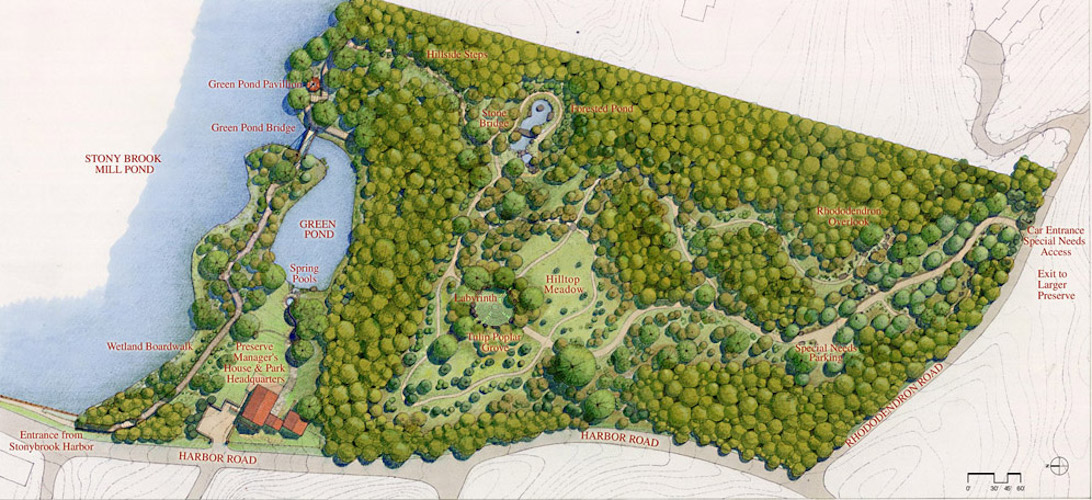
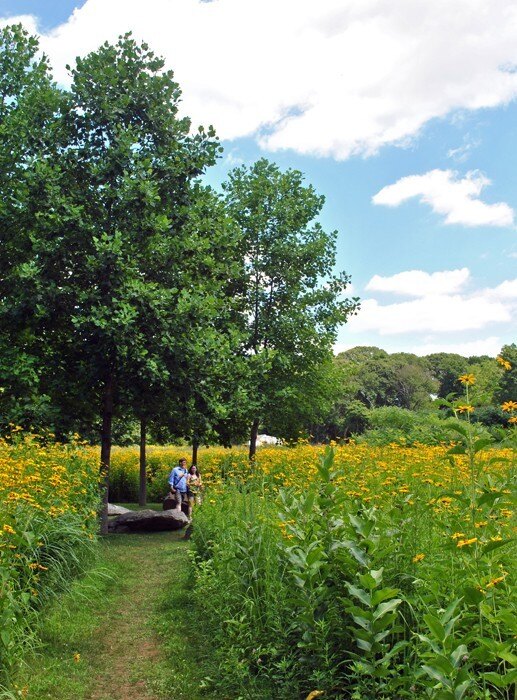
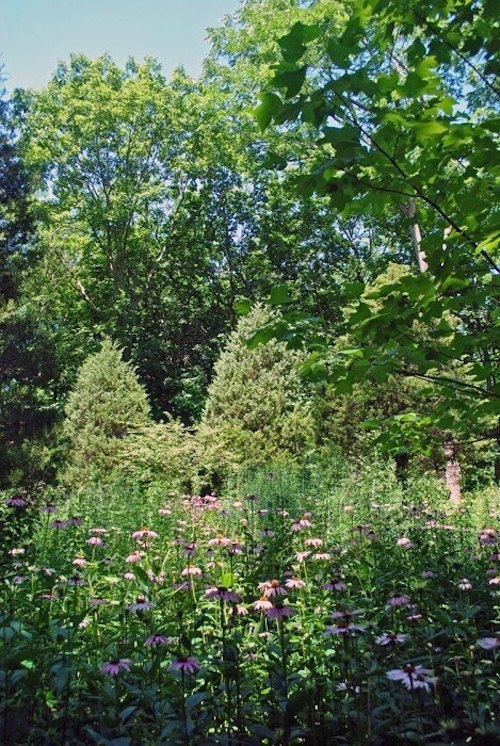
Located in Stony Brook, New York, Avalon Park is a seven-acre memorial dedicated to Paul Simons, son of local residents Jim and Marilyn Simons. The park and surrounding 76-acre preserve were designed as a series of natural gardens with paths, bridges, and overlooks that encourage many different uses, from contemplation to jogging. The site, once unused and weed-infested, was transformed into a scientifically accurate restoration of a wide variety of Long Island plant communities, dramatically increasing the overall biodiversity of the site and providing recreation opportunities for residents and visitors.
Project Details
Description
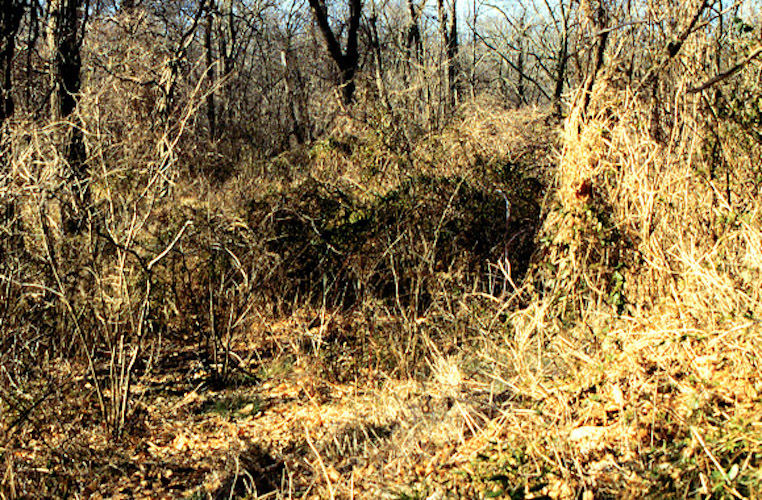
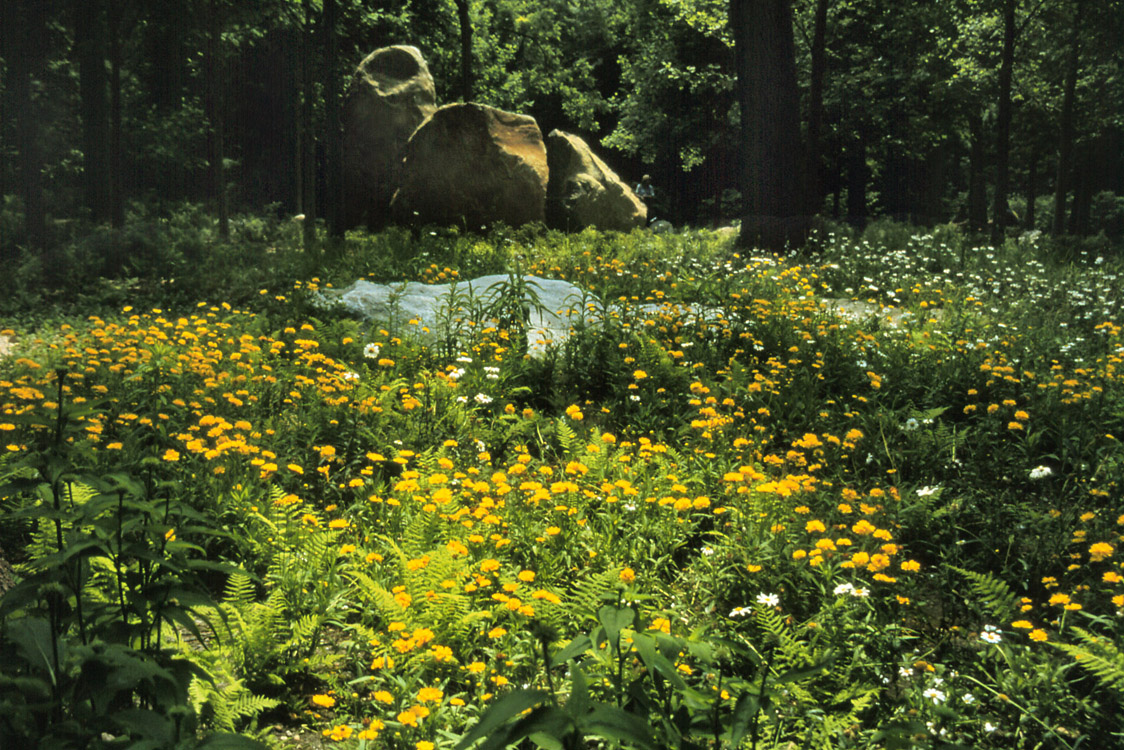
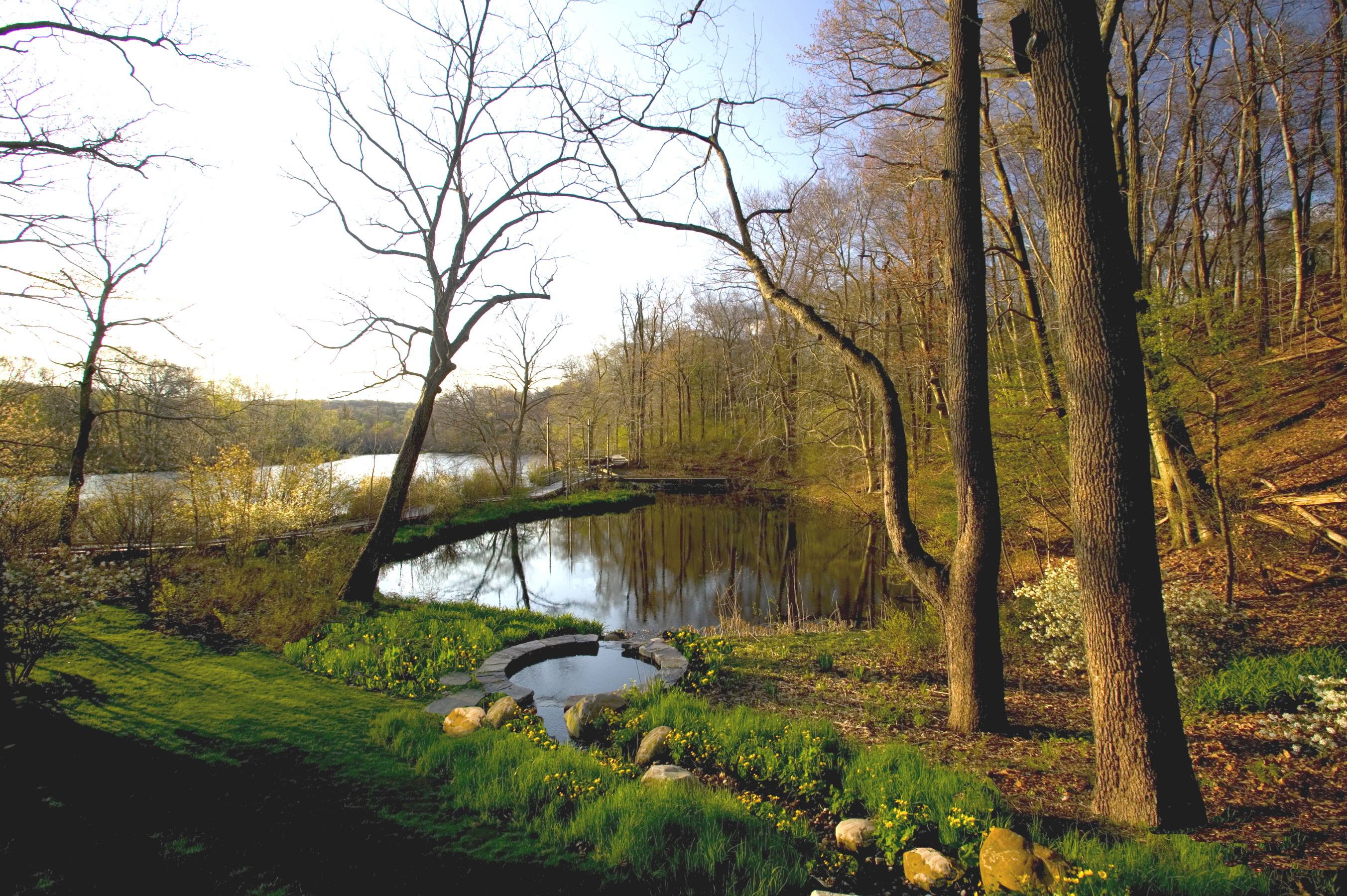
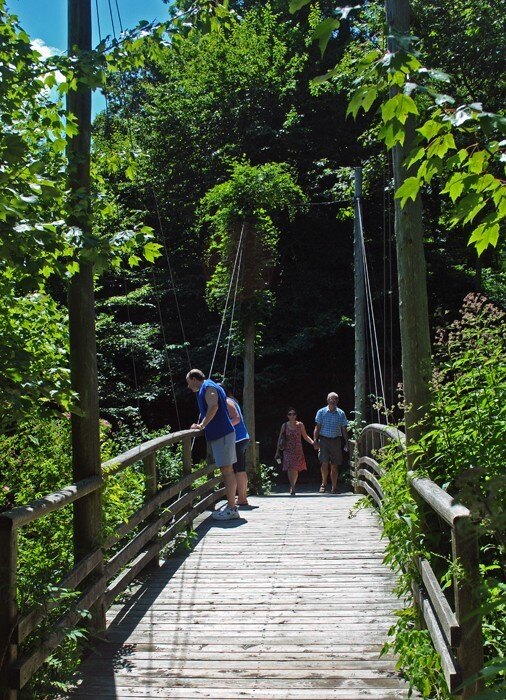
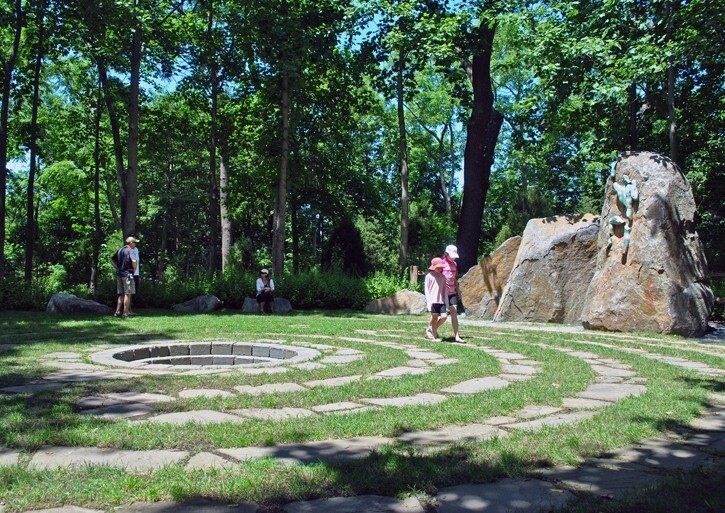
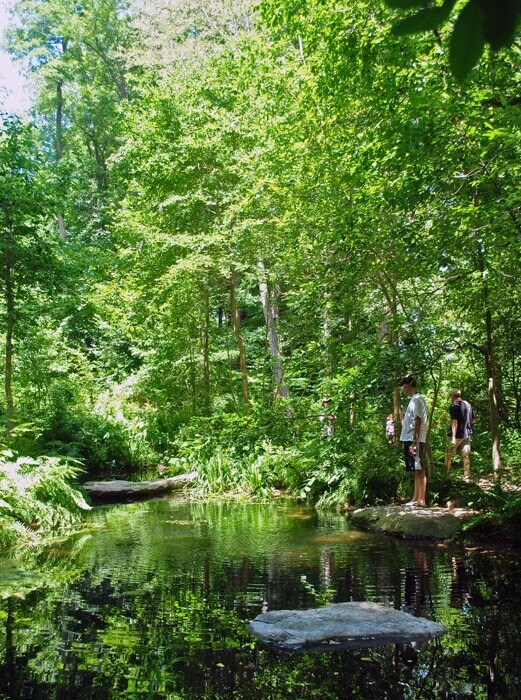
A former residential site that had become overrun with weeds and invasive plants, Avalon Park in Stony Brook, New York, was transformed into a seven-acre memorial dedicated to Paul Simons, son of local residents Jim and Marilyn Simons. Surrounding the park is a 76-acre preserve featuring scientifically accurate restorations of various native northern Long Island ecosystems. More than 6,900 native trees and shrubs, as well as 54,500 native ferns, grasses, and wildflowers, were planted in six unique communities, including rich lowland swamp and beech forest. Eighteen acres of agricultural land was converted to tall grass and wildflower meadows to support birds and small mammals, and a small woodland pool provides amphibian habitat. To further engage visitors, the project’s designers integrated a series of journeys and destinations, as well as sensory experiences using a variety of form, texture, color, and contrast. There are approximately five miles of trails, a wooden footpath, pavilion, and labyrinth.
Following the September 11 attacks, Avalon was embraced as a sacred space where candlelight vigils were held. The site has provided garden therapy to its many visitors over the following years.
Project Goals
- Transform a derelict, weed-infested site into an indigenous garden of compelling experiences for a wide range of people.
- Build full-scale, scientifically accurate restorations of a wide variety of individual, local plant communities.
- Gain an understanding of the basic processes that created Long Island plant communities and explore how to create an unfolding garden for the adjacent social communities.
- Create a design based on appropriate plant-to-plant and plant-to-place relationships, demonstrating that these patterns can be the inspiration for an organized, healthy, and dramatic visitor experience that provides wide-ranging mental health benefits.
- Determine what it costs to re-create or restore an entire plant community, such as beech-oak forest.
Adapted from the original LAF LPS case study.
Social Benefits
- Provides garden therapy and attention restoration to an estimated 129,600 annual visitors. 93% of those surveyed described Avalon’s effect on their mood in positive terms, with 51% of all responses identifying some form of stress reduction.
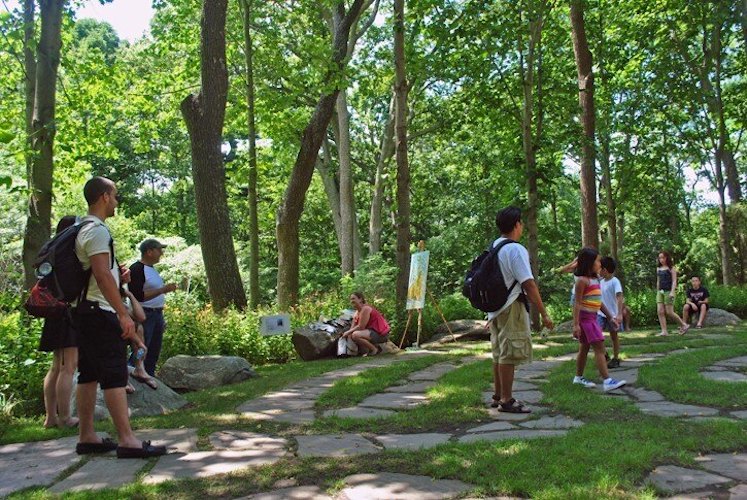
- Provides an outdoor classroom for 135 school-age children and teens annually, using Avalon’s seven distinct plant communities to lead programs in local ecology and environmental stewardship. Annually, approximately 1,500 local residents attend educational events hosted at Avalon.
- Supplements the physical health of visitors with 77% of interviewees reporting spending most of their time walking, hiking, running, or jogging, and approximately 20% of visits involving running as the principal activity.
Reprinted from the original LAF LPS case study.
Key Contributors
Project Team
Client: Paul Simons Foundation
Landscape Architect: Andropogon Associates, Ltd.
Inventory of Natural Resources: Louise W. Harrison Conservation and Natural Areas Planning
Landscape Contractor: Douglas Maclise
Funders & Supporters
Jim and Marilyn Simons; Paul Simons Foundation
Total Cost
Budget: $3.5 million (landscape installation); $3.96 million total
Programs Offered
A variety of programs connect youth to the natural world, including a writer’s cabin, nature initiative, and marine studies. The site is free and open to the public year-round.