About
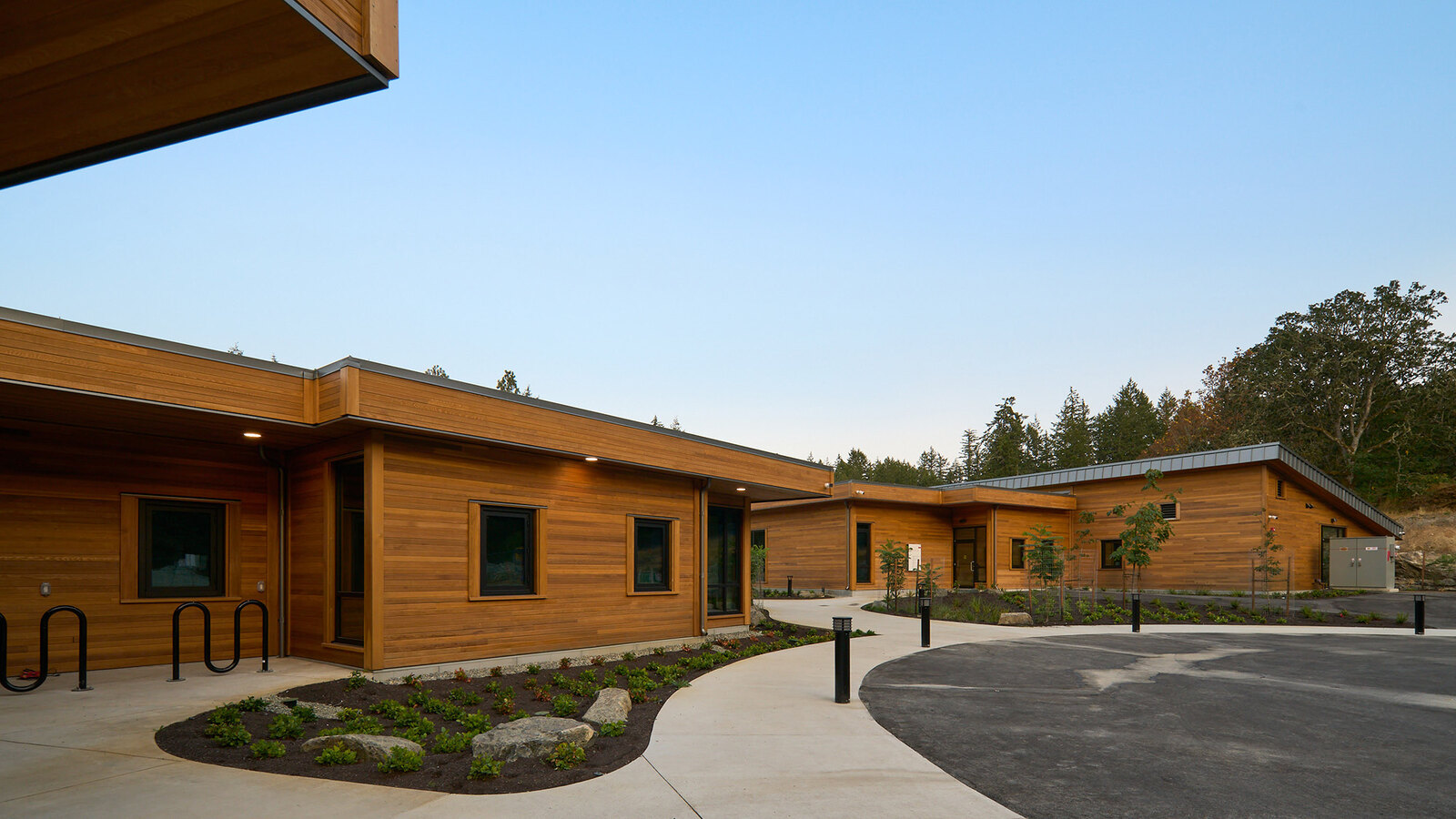
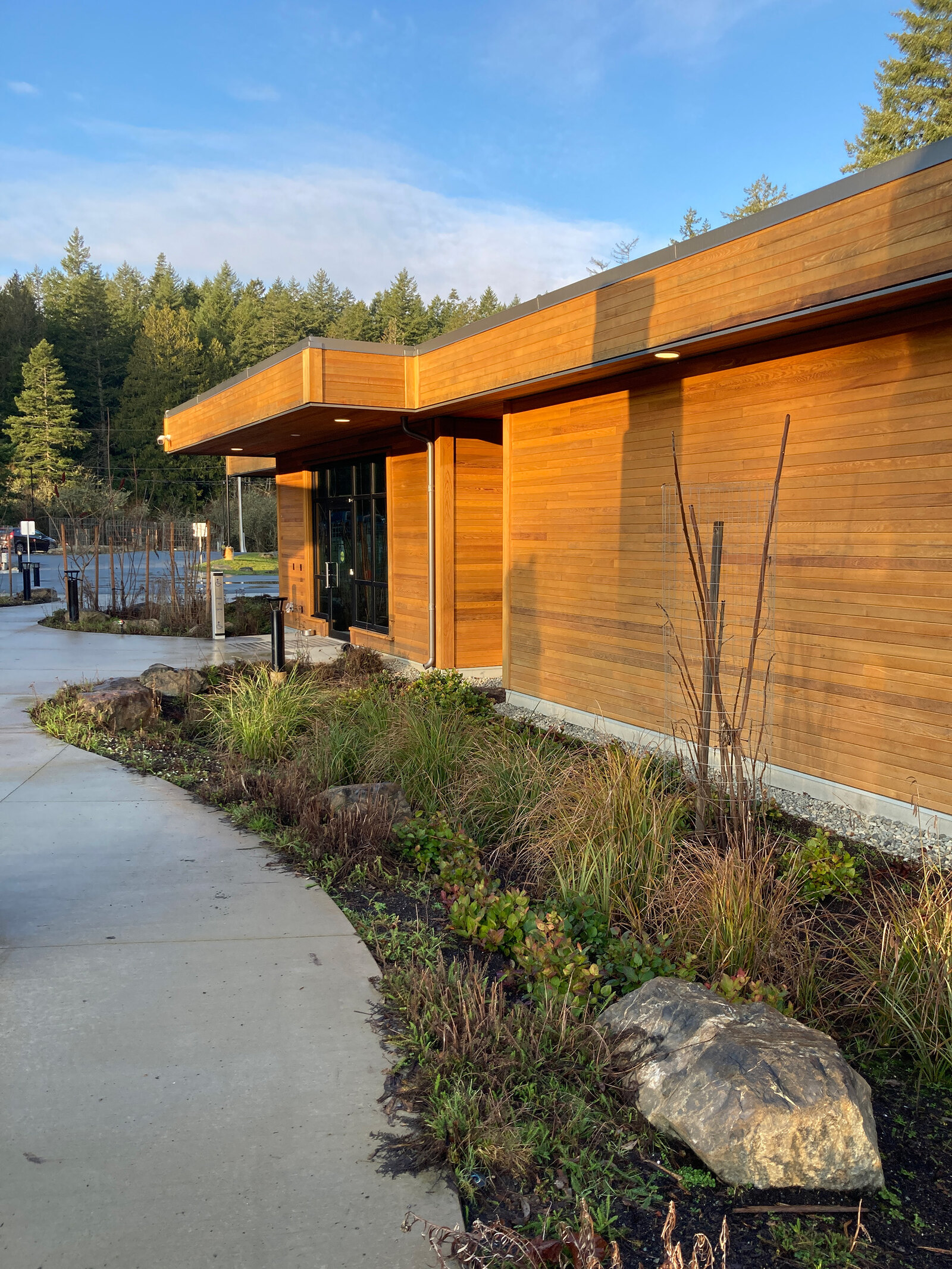
This outdoor activity center serves as a base of operations for Power To Be, a nonprofit organization that creates access to nature for youth, families, and adults living with cognitive, physical, financial, and social barriers. The organization provides a range of programs that promote inclusive outdoor adventures, personal growth, and social change. The buildings and landscape of Power To Be Basecamp are closely tied to the natural surroundings and designed to connect people to nature and place. The site accommodates a wide range of ways of “being in the world” that enhance participants’ experiences in nature, and the indoor and outdoor spaces were designed to meet Gold-level standards of the Rick Hansen Foundation Accessibility Certification.
Project Details
Description
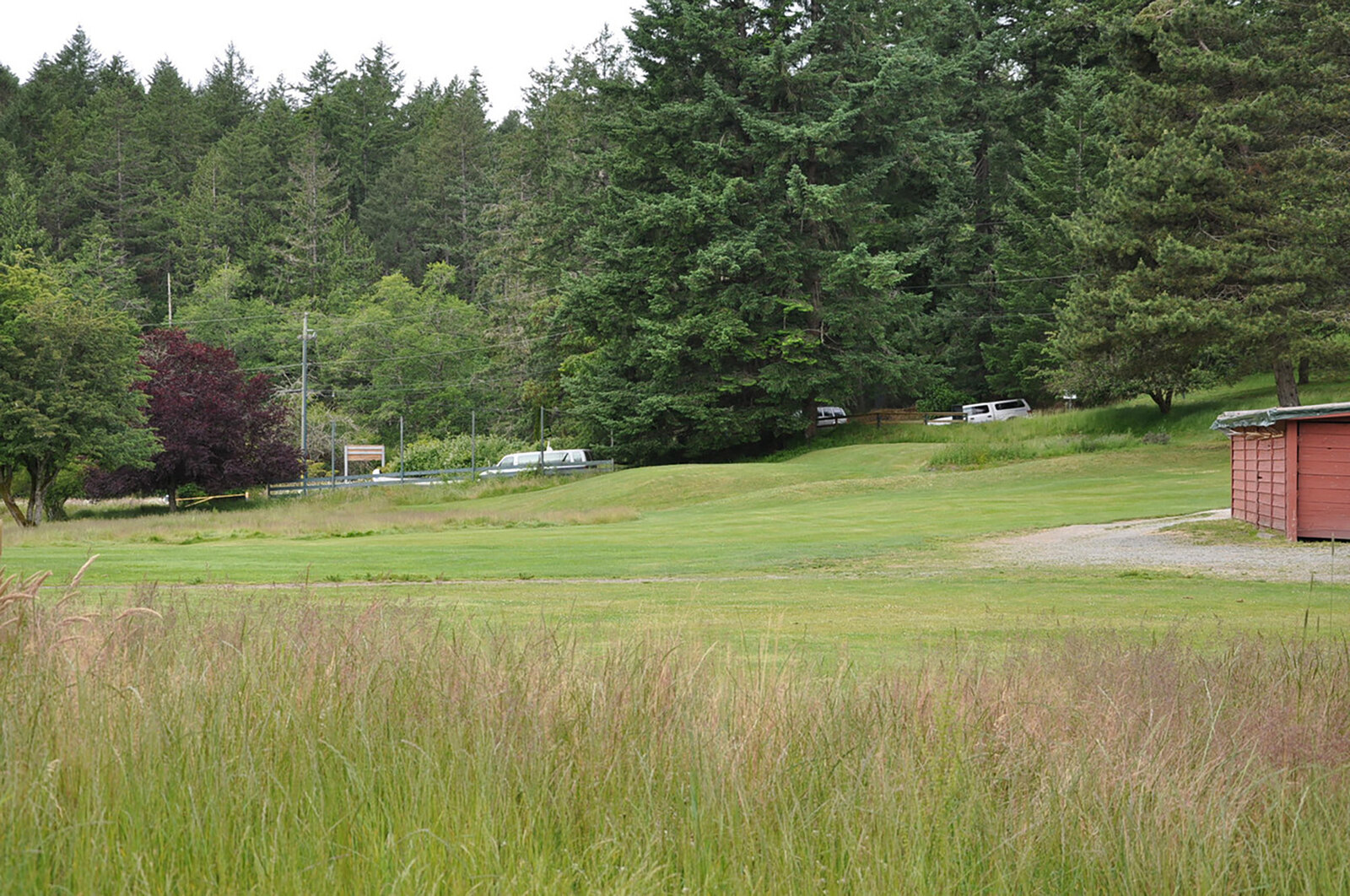
An outdoor activity center in Victoria, Canada, Power To Be Basecamp is designed as a place for people living with cognitive, physical, financial, and social barriers to access nature in a way that is fun, fair, and authentic. It is located on a previously decommissioned golf course along Prospect Lake, on the unceded lands of the W̱SÁNEĆ First Nations and the lək̓ʷəŋən (Lekwungen) People.
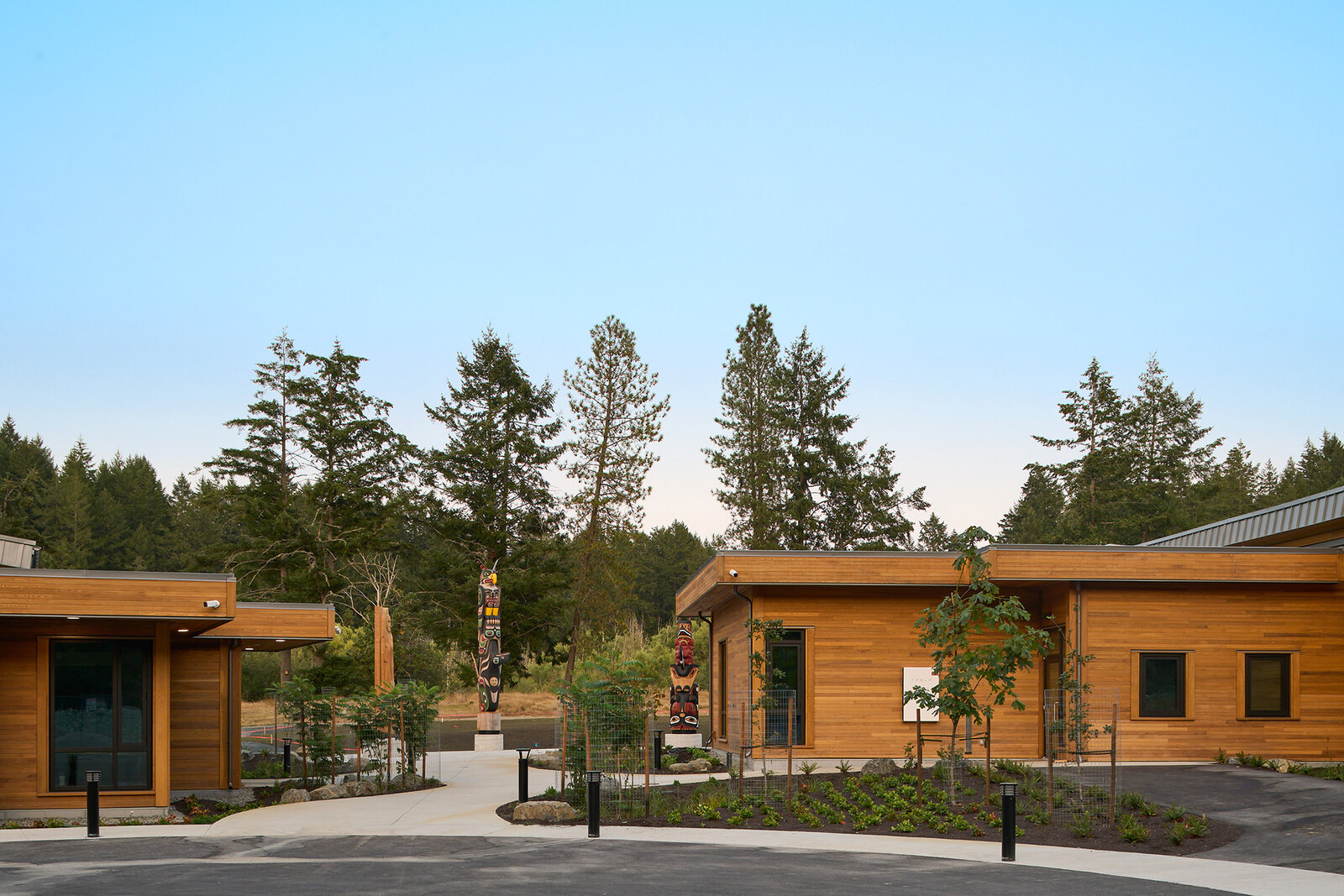
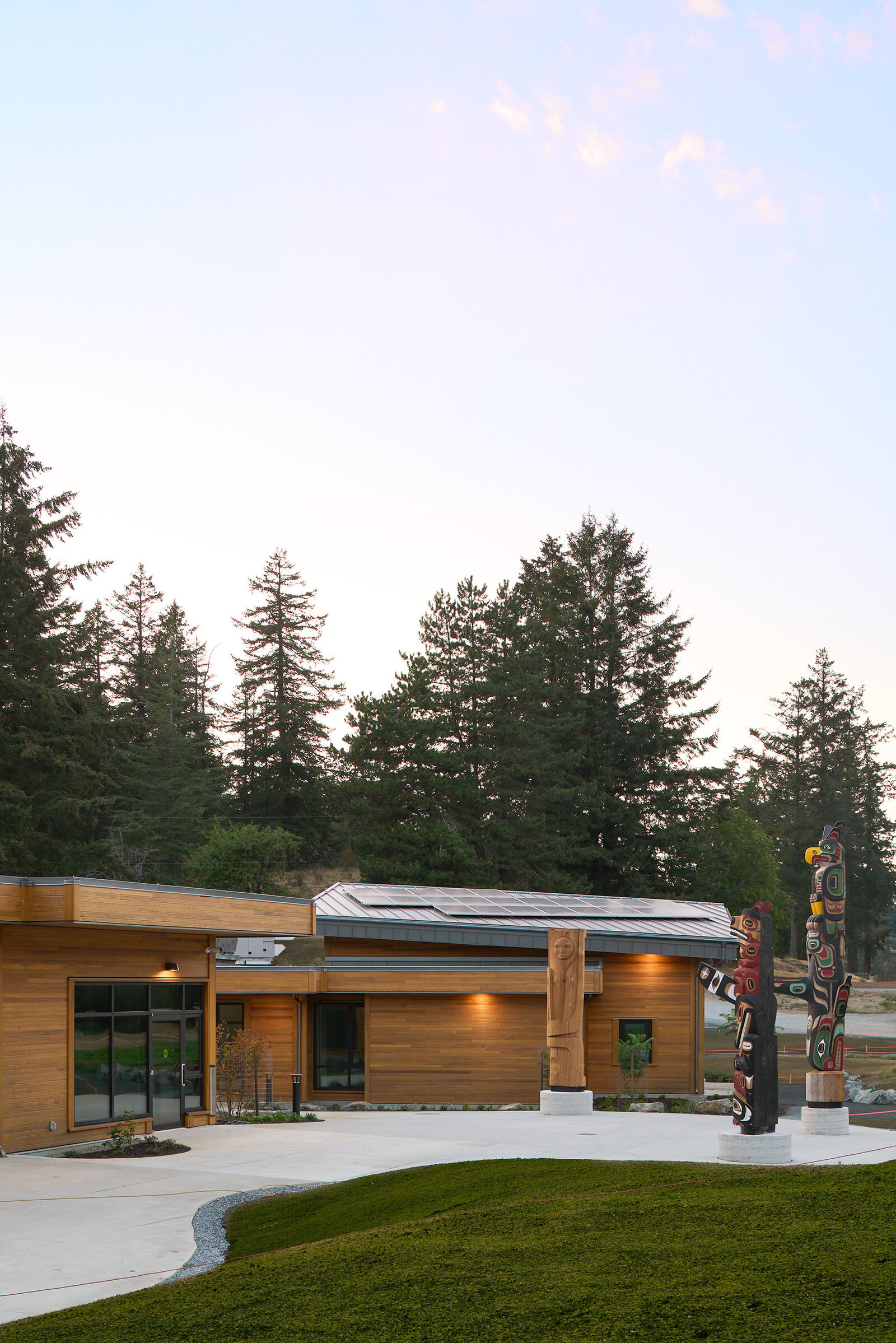
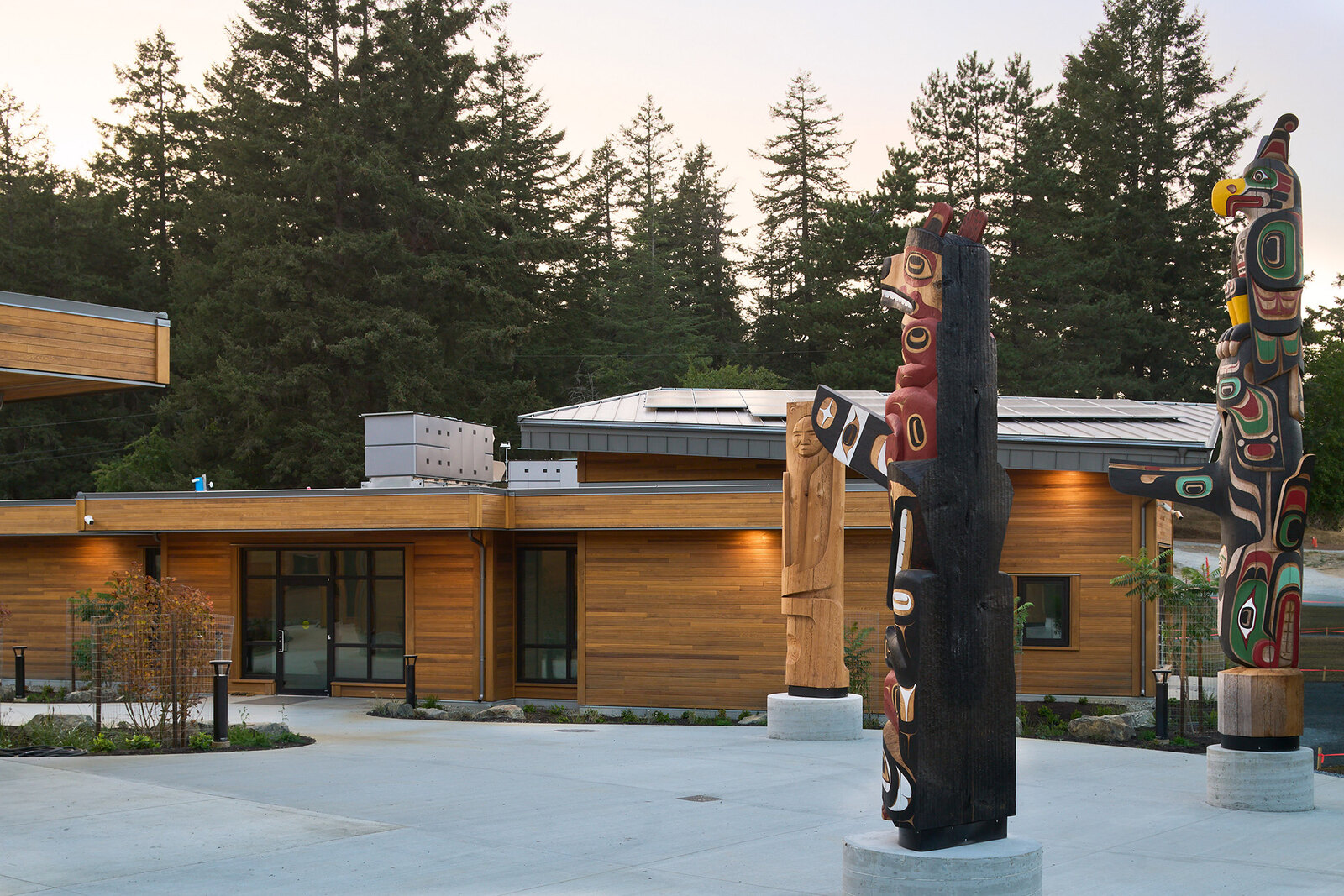
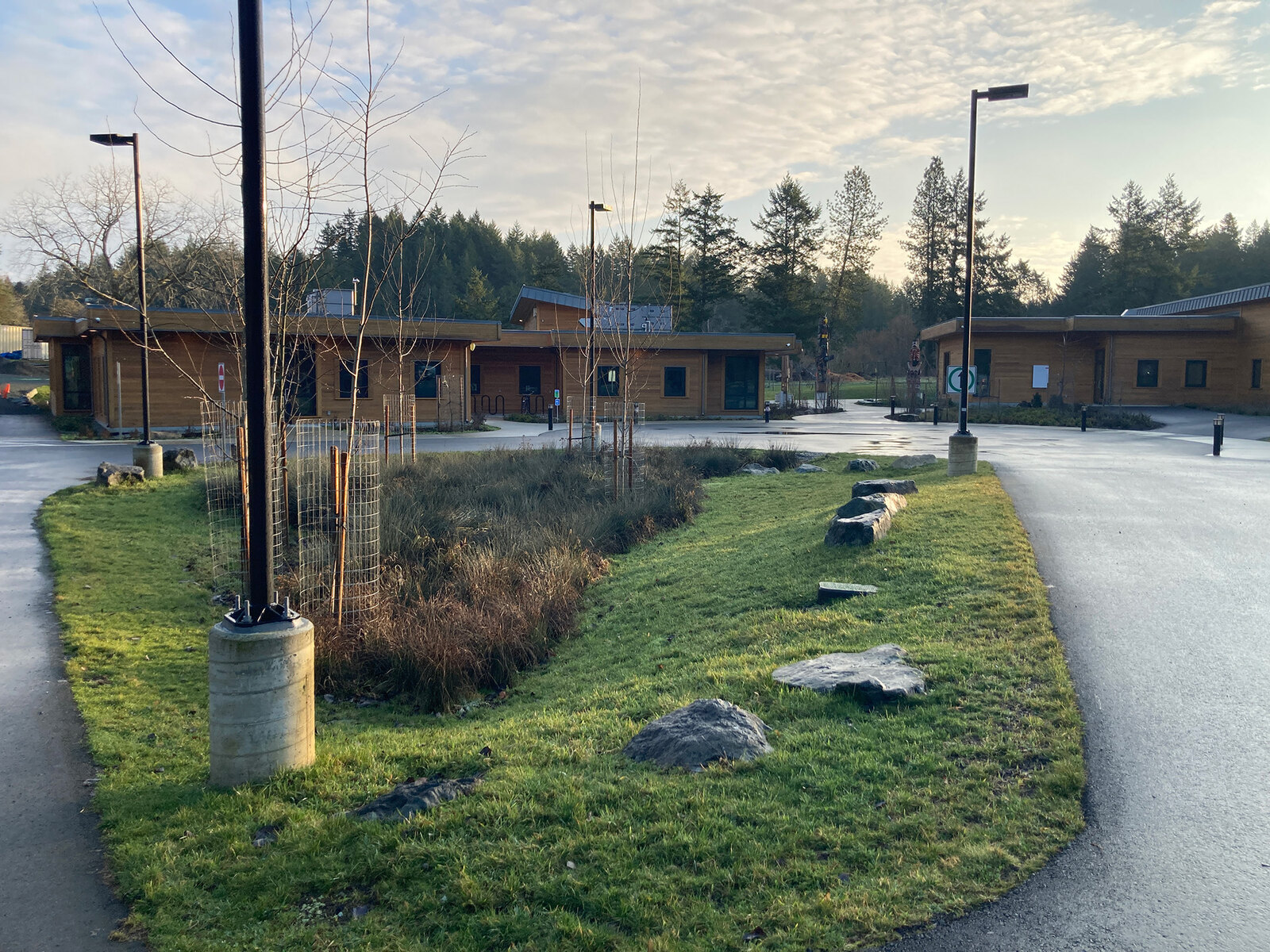
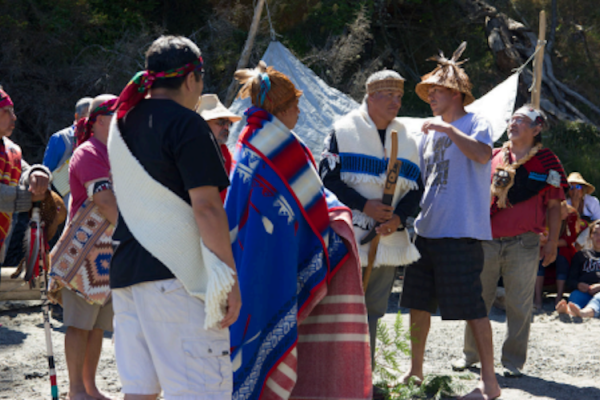
The site is an example of landscape design that regenerates nature and fosters inclusion. The area encompasses an upland coastal Douglas fir forest, a repurposed golf course, a wetland, and the southern shore of Prospect Lake. To honor the history of the land and the ongoing connection of Indigenous peoples to this place, carvers representative of the three primary First Nations on Vancouver Island were invited to create totem poles. The three poles sit in the welcome plaza, where each visitor that enters is welcomed and invited through.
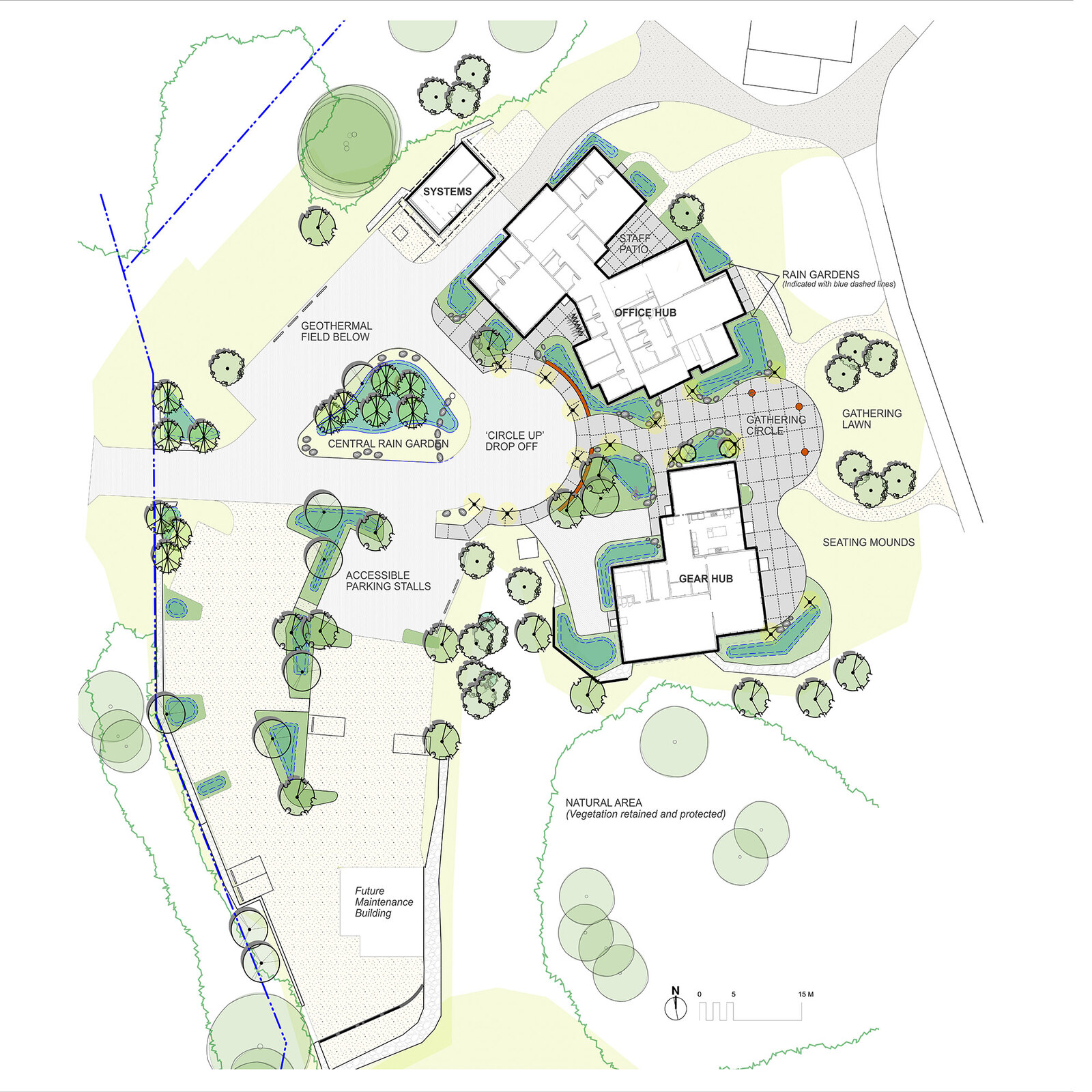
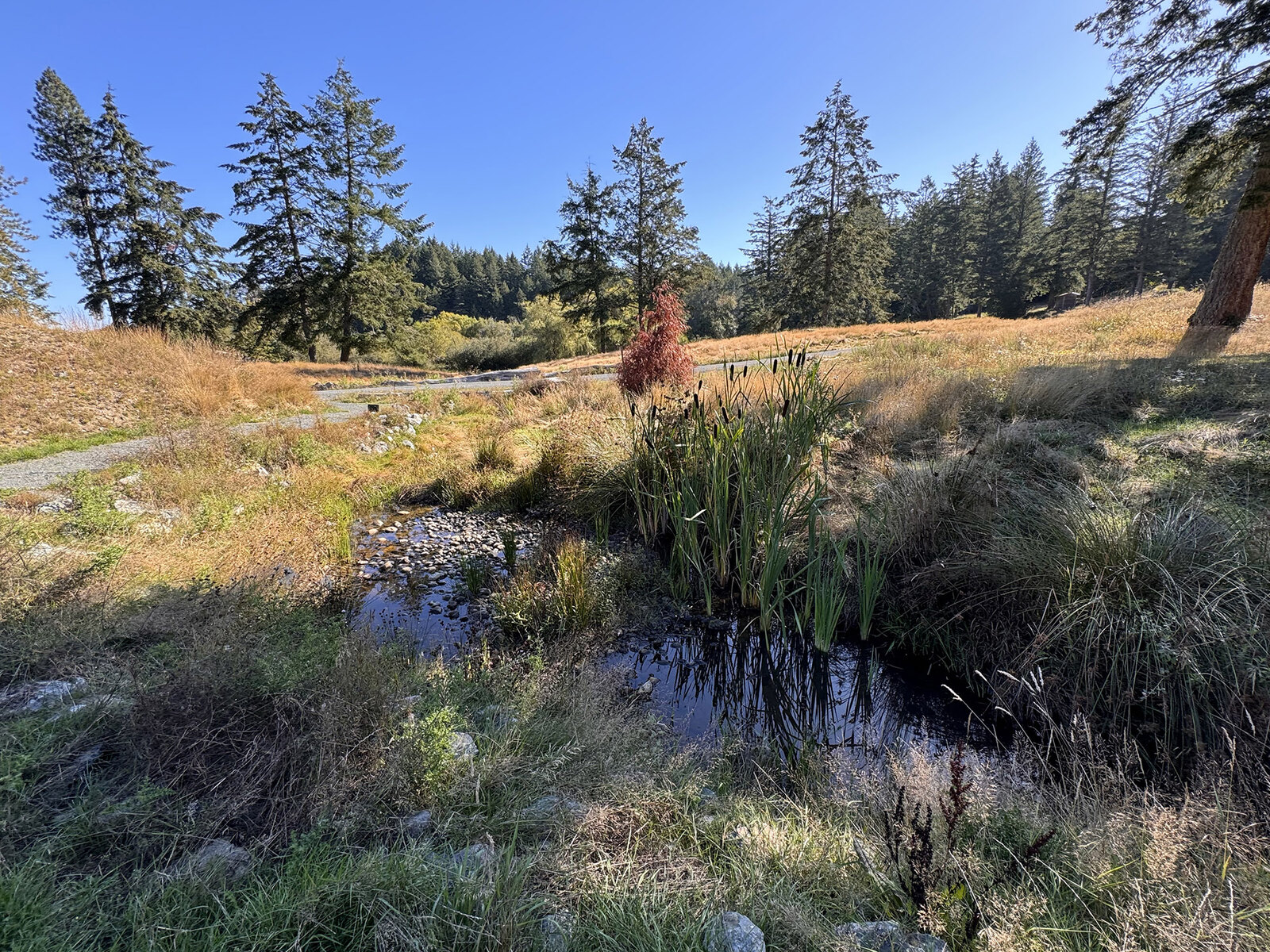
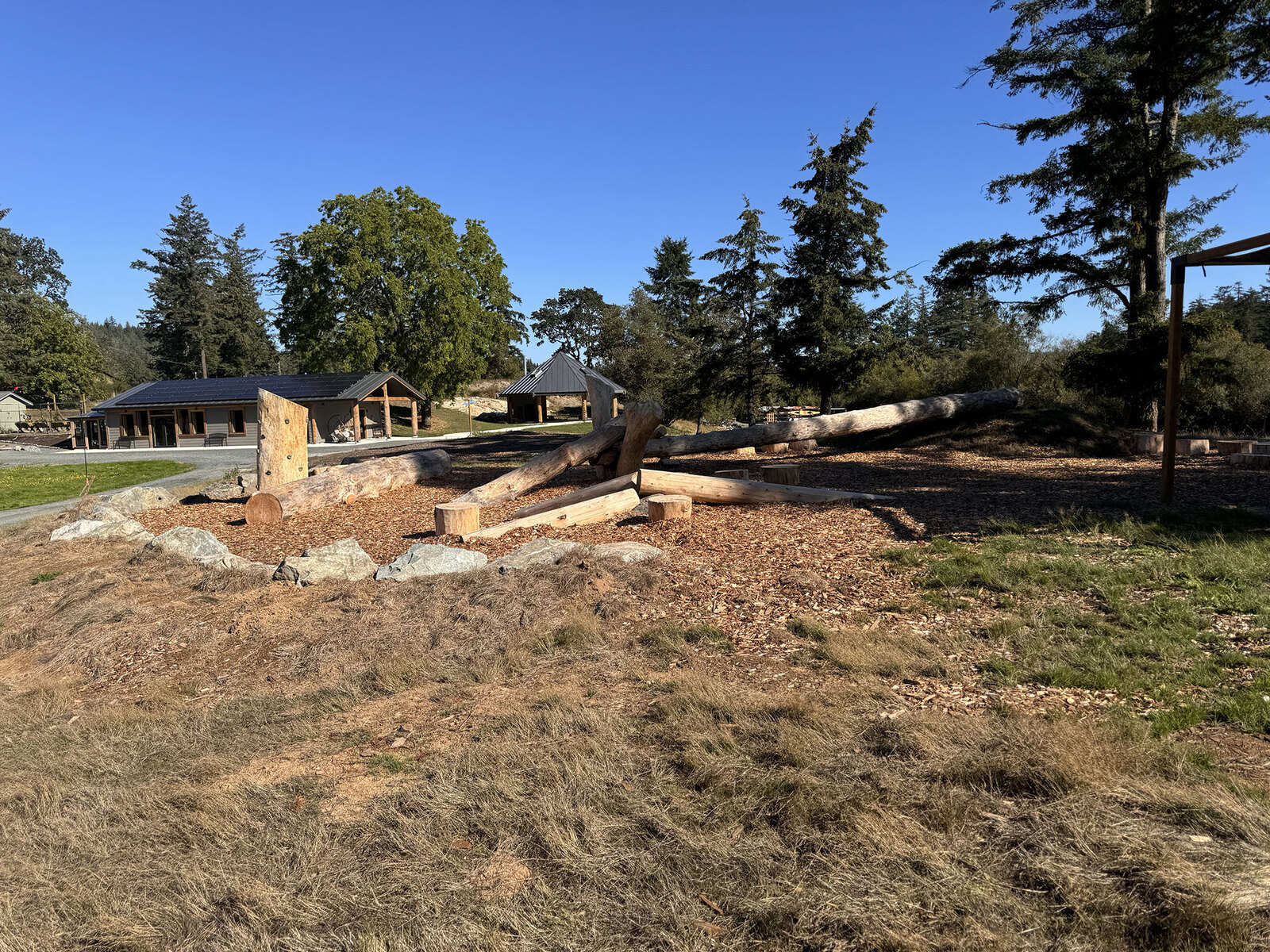
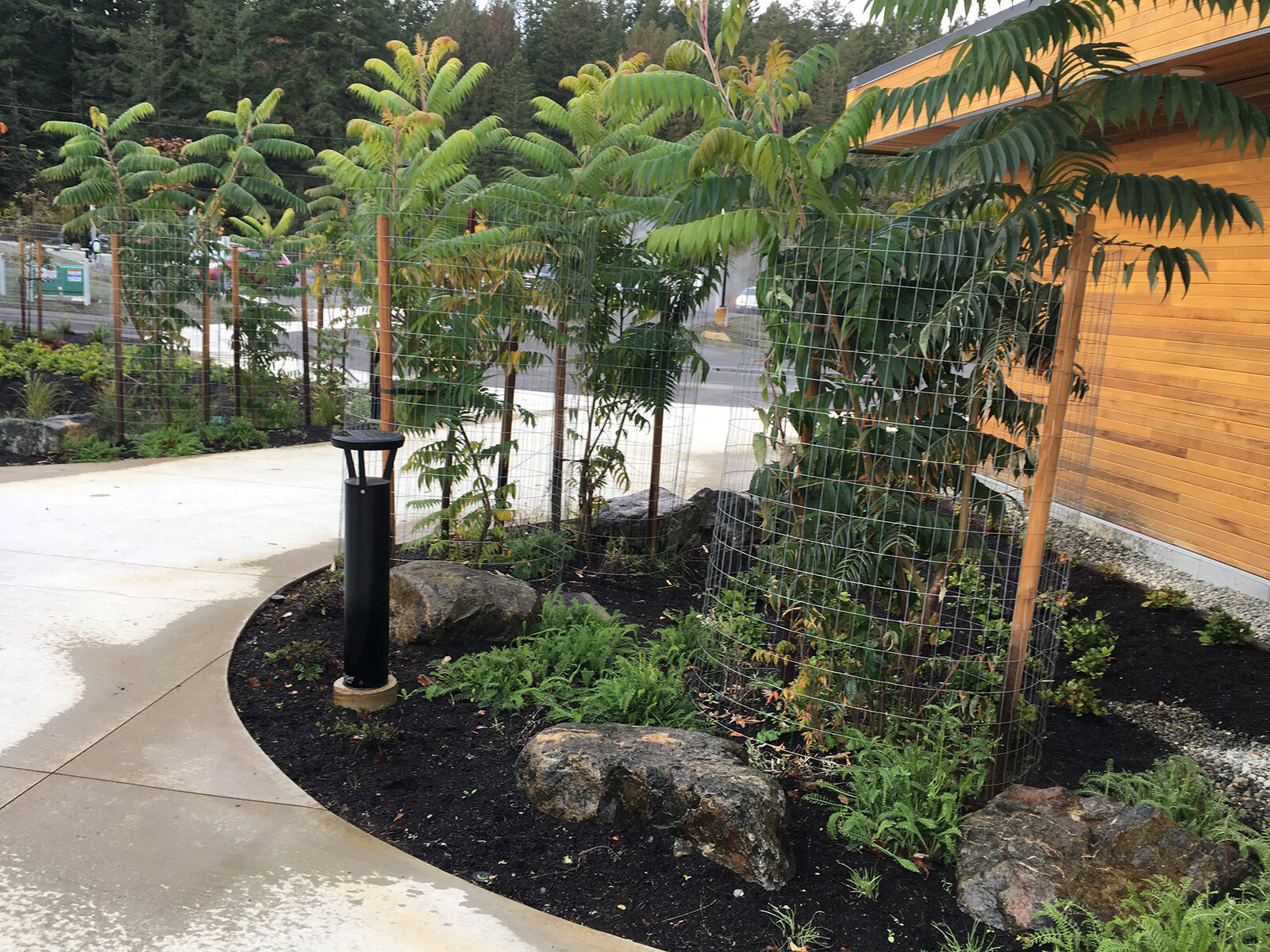
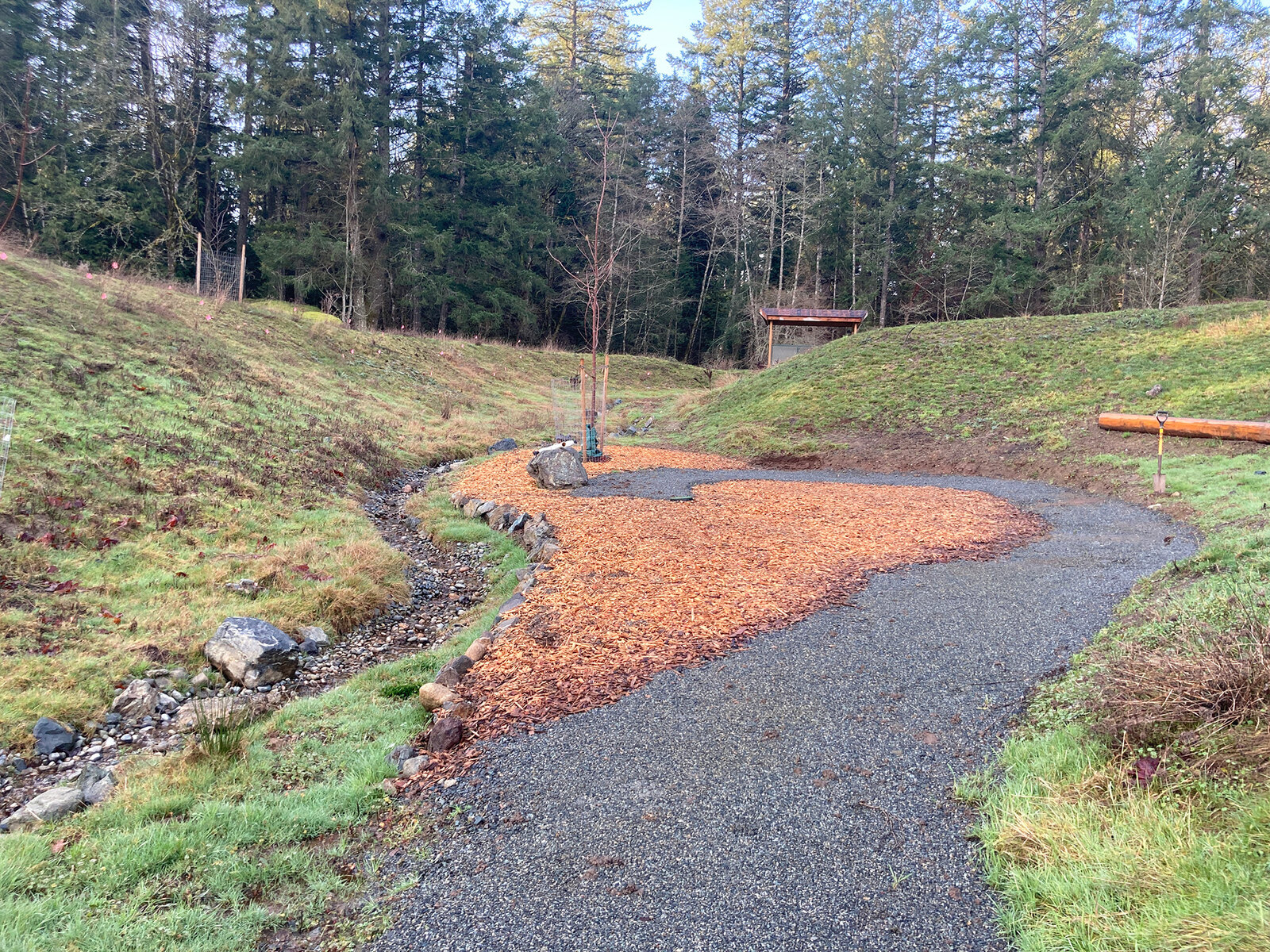
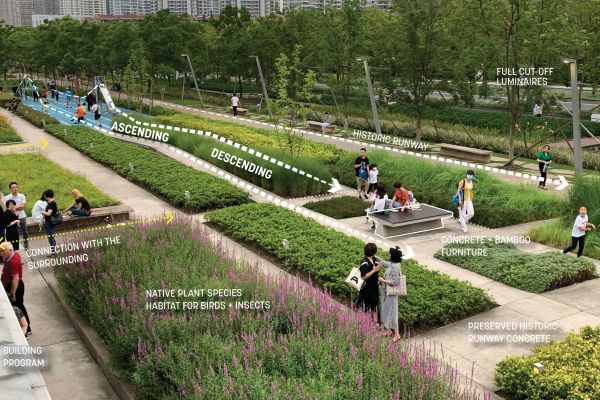
Rainwater runoff is channeled to 21 rain gardens planted with native species, and a previously piped creek was daylighted, attracting birds and frogs. There's an accessible dock for recreation on the lake, sculpted mounds for educational and adventure purposes, a natural play area with log sculpture, campground, and a 1.8-mile trail. A range of on-site adaptive equipment helps participants navigate difficult terrain.
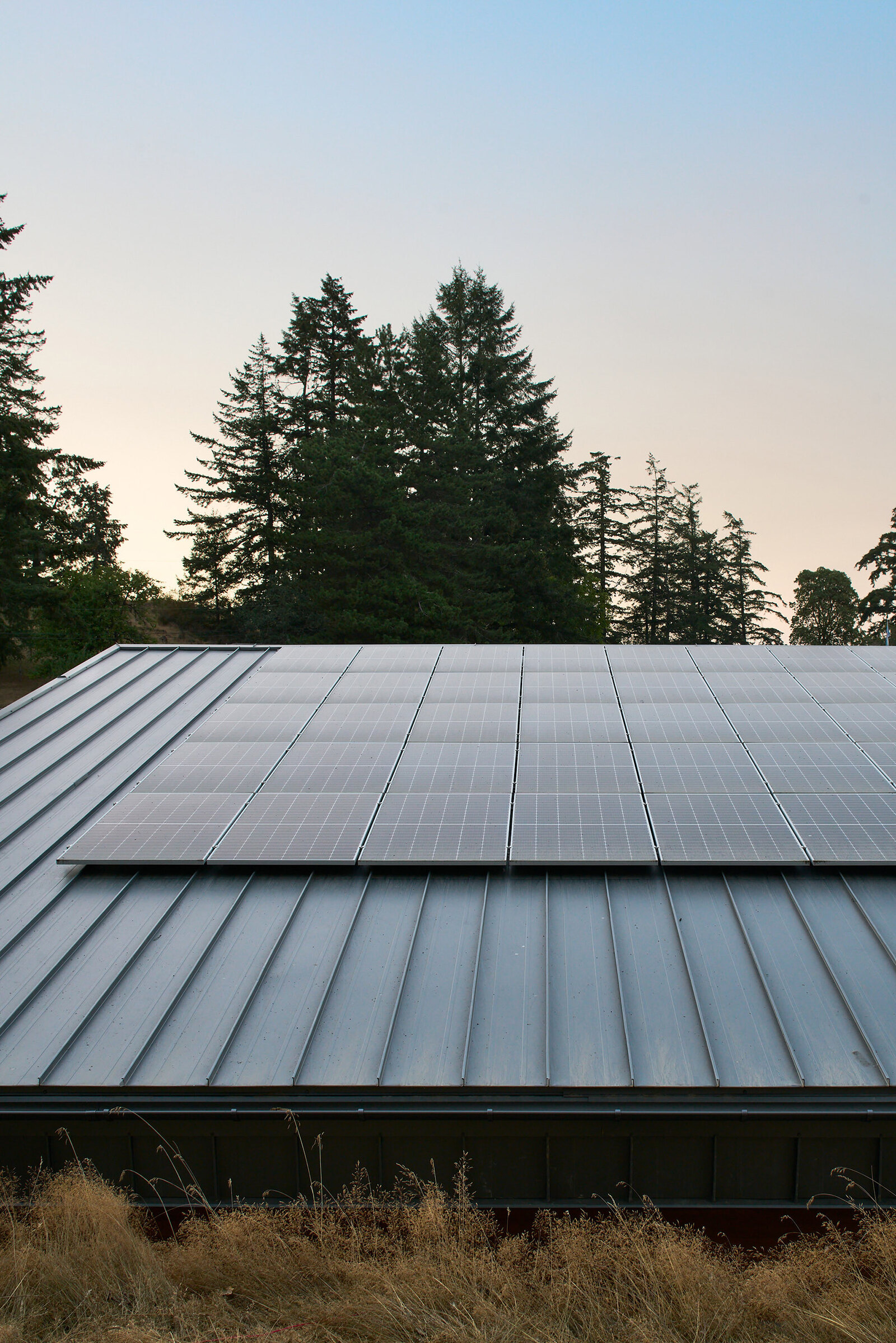
The site’s indoor and outdoor spaces were designed to meet Gold level standards of the Rick Hansen Foundation Accessibility Certification (RHFAC). Power To Be is pursuing Living Building Challenge Living Certification, the highest level of certification in sustainability and regenerative design.
Project Goals
- Repurpose a golf course to restore and regenerate ecological function.
- Restore the site’s natural hydrology by reestablishing its original hydrological features.
- Create infrastructure that integrates with and celebrates the site’s unique natural features such as Prospect Lake and the nearby forest.
- Acknowledge, respect, and actively support reconciliation efforts in honoring the land’s deep connections with Indigenous peoples.
- Develop an accessible transition from indoor to outdoor spaces for people living with a disability or barrier to access nature in a way that is fun, fair, and authentic for all participants.
- Optimize inclusivity to connect people to the natural world and each other.
- Create platforms for participants to improve their physical, emotional, and mental health and well-being.
- Utilize the site as an interactive learning environment that encourages exploration, discovery, and personal growth.
- Ensure that outdoor infrastructure supports a wide range of users in a variety of programmatic and recreational uses.
- Inspire a sense of wonder in the natural environment that will spark a chain reaction of curiosity and hunger for knowledge that eventually creates future ambassadors for environmental stewardship.
- Create opportunities for activities that strengthen social networks and interpersonal skills while encouraging adaptive behaviors to help participants handle everyday challenges.
- Create a safe, open, and inclusive community within Power To Be that extends beyond on-site programs into the wider community, empowering community members to give back both within the programs and in their personal time.
Reprinted from the original LAF LPS case study.
Social Benefits
- Increased the number of annual participant visits by 80% from 2021 to 2023—with 535 more total hours spent in nature. The site hosted 2,494 participants and 428 programs in 2023, offering 11 different outdoor recreational activities for all age groups.
- Connects people to nature through passive and active experiences. Interviewees reported feeling most connected to nature through their everyday activities (for interviewed staff and volunteers), and through outdoor recreation and nature-based group activities (for interviewed participants). Interviewees also described the smooth transition from built infrastructure to natural areas as promoting connection to nature. Participants reported feeling most connected to the natural environment at lakefront locations like the dock, roundhouse, and lookout.
- Enhances users' well-being through regular exposure to natural surroundings, promoting nervous system regulation, reducing work-related stress, and encouraging a supportive and collaborative environment. These factors were frequently highlighted by interviewed staff and participants as key contributors to their overall mental well-being.
- Improves physical well-being by offering outdoor recreational programs such as canoeing, kayaking, paddleboarding, hiking, and camping. Staff and volunteers also reported engaging in physical tasks while running programs on-site, encouraging movement throughout the day.
- Evokes positive emotions contributing to emotional well-being, with 100% of 32 interviewed staff, volunteers, participants, and visitors indicating that they leave Power To Be feeling positive. The top five categories of positive emotions reported were: empathy, interest, enjoyment, assurance, and gratification.
- Promotes learning opportunities, with interviewed staff and participants reporting gaining valuable insights about wildlife, bird species, and plant species on-site. They also described learning life lessons from constant connection to nature, gaining awareness of native and non-native species, understanding natural cycles in the environment, and discovering fun facts about nature.
- Provides access to diverse natural areas on-site, with 80% of interviewed staff and participants emphasizing that the space was notably more accessible than other working environments or outdoor organizations they had encountered. Participants reported being able to connect with and explore the immediate surroundings of the buildings independently and to explore the campgrounds, lake, forests, and creeks with assistance of staff members and equipment.
- Creates an inclusive environment where 100% of interviewed staff and participants reported feeling heard, cared for, and valued. They reported that the open entrance, totem poles, and central gathering circles adopt a welcoming atmosphere that grounds individuals and that events like "Have a Go Day" and "All Teams Day" further strengthen community bonds and reinforce the inclusive spirit central to Power To Be’s values.
- Creates a friendly, supportive, and goal-oriented culture for staff and volunteers, which was frequently cited by interviewed staff as essential to their sense of belonging.
Reprinted from the original LAF LPS case study.
Contact info@powertobe.ca Design Firm – Christine Lintott Architects Power To Be
Construction Details
Project Team
Client: Power To Be
Architect: Christine Lintott Architects Inc.
Landscape Architect: MDI Landscape Architects Inc.
Structural Engineer: RJC Engineers
Mechanical Engineer: Introba
Electrical Engineer: AES Engineering
Civil Engineer: McElhanney
Geotechnical Engineer: Ryzuk Geotechnical
Contractor: Campbell Construction Ltd.
Totem Carvers: John Marston (Coast Salish); Stephen Bruce (Kwakwaka’wakw); Moy Sutherland (Nuu-chah-nulth)
Total Cost
Budget: $700,000 ($3 million overall)
Funders & Supports
The numerous supporters are listed on the Power To Be website.
Programs Offered
The organization offers single-day programs, multi-day programs, and long-term cohorts for youth, adults, and families.
Cost
Sliding scale payment system.
Amenities & Services
A range of on-site adaptive equipment helps participants navigate difficult terrain.